The Number One Way To DESTROY Your Gun IS...!

Published on April 17, 2024
Duration: 9:52

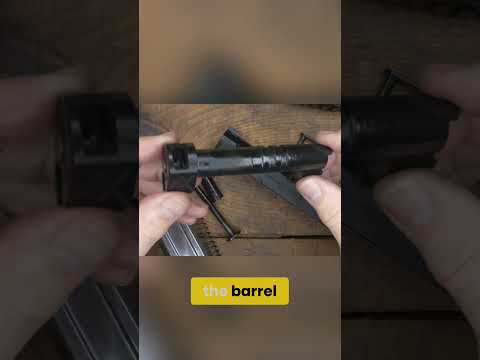
This guide details the critical steps for reassembling semi-automatic handguns, focusing on the common pitfalls associated with keyed guide rods in models like the Smith & Wesson M&P Series. It emphasizes the importance of correct alignment and warns against forcing parts, which can cause irreversible damage. The expert advice stresses seeking professional gunsmith help when in doubt to ensure firearm longevity and safety.

Quick Summary

Proper firearm reassembly, especially for models with keyed guide rods like the Smith & Wesson M&P Series, requires precise alignment. Never force stuck parts; this can lead to permanent jamming and structural damage. If unsure, consult a professional gunsmith rather than risk breaking your firearm.

Chapters

  1. 00:00Intro & Risks of Tinkering
  2. 00:53Stuck Slide Anecdote
  3. 02:14Keyed Guide Rods Explained
  4. 03:39Mistake: Forcing Parts
  5. 05:02Gun Shop Rules & Limits
  6. 07:38Seeking Professional Help

Frequently Asked Questions

What is the most common way to destroy a gun during reassembly?

The most common way to destroy a gun during reassembly is by forcing stuck parts, especially if a component like a keyed guide rod is misaligned. This can lead to permanent jamming and structural damage, often exacerbated by using tools like pliers, which leave visible marks.

Why is proper alignment of the guide rod important during handgun reassembly?

Proper alignment of the guide rod, particularly keyed guide rods found in models like the Smith & Wesson M&P Series, is crucial for the correct function of the slide. If misaligned, the slide will not cycle properly, and forcing it can jam the firearm permanently.

When should I seek professional help for firearm reassembly?

You should seek professional help from a gunsmith if you encounter resistance during reassembly, are unsure about specific internal mechanisms (like triggers or guide rods), or if you suspect you may have already caused damage by forcing parts. It's better to bring a 'bag of parts' than to break your firearm.

What are the risks of using tools to fix a jammed firearm during reassembly?

Using tools like pliers to force jammed firearm parts during reassembly is highly discouraged. This practice often results in unsightly 'plier marks' and can cause permanent structural damage to the firearm's components, significantly devaluing it and potentially compromising its safety.

More Gunsmithing & DIY Videos You Might Like

More from GFG

View all →