TIG Welding Guns: Part 3

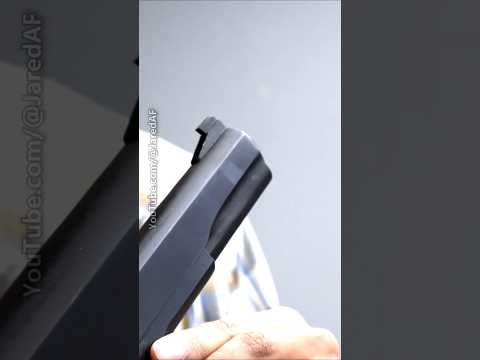
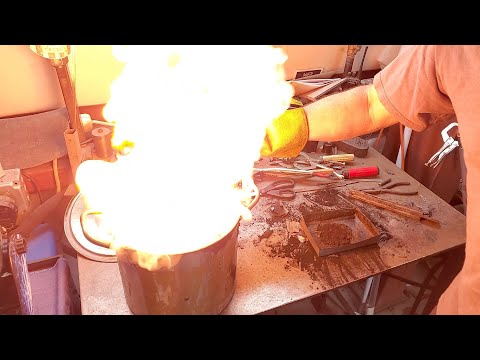
This video demonstrates a gunsmithing technique for repairing a damaged or incorrectly machined extractor slot using TIG welding. The instructor emphasizes building up the material higher than needed and then reshaping it through machining or filing. The process highlights the flexibility of welding for correcting errors in firearm components.

Quick Summary

Repairing firearm extractor slots with TIG welding involves building up the damaged area with weld material, ensuring proper flow and penetration. It's recommended to overfill the area slightly, then machine or file it down to the correct dimensions. The weld material can be harder than the base metal, potentially requiring diamond files for reshaping.

Chapters

  1. 00:00Introduction to Extractor Slot Repair
  2. 00:16Using Rests for Welding
  3. 01:05Welding Technique and Flow
  4. 01:25Post-Weld Inspection and Reshaping
  5. 02:02Weld Hardness and Tooling
  6. 02:13Conclusion

Frequently Asked Questions

How can I repair a damaged extractor slot on a firearm?

You can repair a damaged extractor slot using TIG welding. The process involves building up the damaged area with weld material, ensuring it flows properly. It's recommended to overfill the area slightly, then machine or file it down to the correct dimensions afterward.

What is the best welding technique for repairing firearm components?

For repairing firearm components like extractor slots, TIG welding is often preferred for its precision. The technique involves heating the base metal sufficiently and allowing the filler material to flow smoothly, ensuring full penetration and coverage of the damaged area.

What tools are needed for post-weld reshaping of firearm components?

After TIG welding a repair, you'll likely need tools for reshaping. This can include machining equipment, files (potentially diamond files if the weld material is harder than the base metal), and grinding tools to achieve the final desired profile and tolerances.

Why is it important to build up weld material higher than needed for repairs?

Building up weld material higher than the final required dimension provides a buffer for post-weld machining or filing. This allows you to remove excess material to achieve precise tolerances and a clean finish without risking under-filling the repair area.

Related News

All News →

More Gunsmithing & DIY Videos You Might Like

More from GUNS and American Handgunner Magazines

View all →