Rails!

Published on June 29, 2020
Duration: 26:55

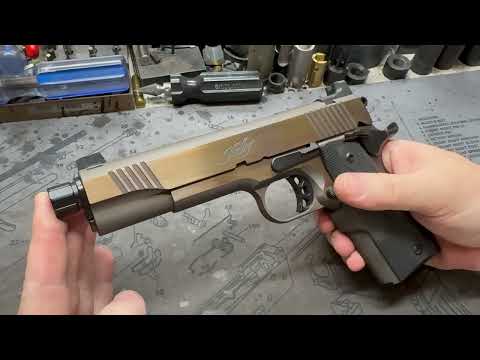
This video details a complex gunsmithing process for improving low-carbon steel firearm rails. It covers techniques for straightening warped parts via welding and clamping, followed by a high-temperature carburizing and stress-relieving heat treatment using a homemade stainless steel foil container and specialized compound. The goal is to transform the low-carbon steel into a hard, case-hardened component suitable for firearm use, while simultaneously correcting any residual stresses and warpage.


Quick Summary

To straighten warped firearm rails, use strong vise grips to apply force along the center line and align them flat before tack welding. Carburizing firearm parts involves heating low-carbon steel to 1600-1700°F with a special compound to create a hard, wear-resistant surface. Stress relieving is often done concurrently at these high temperatures.

Chapters

  1. 00:00Introduction to Warped Rails
  2. 00:30Clamping and Tack Welding Warped Parts
  3. 01:47Why Parts Warp: Machining and Material
  4. 02:05The Welding Process for Alignment
  5. 04:03Creating a Stainless Steel Foil Heat Treat Container
  6. 06:15Using Carburizing Compound
  7. 07:50The Carburizing and Stress Relieving Process
  8. 10:48Removing Parts from the Oven
  9. 11:40Reheating and Quenching Parts
  10. 12:52Post-Heat Treat Inspection and Hardness
  11. 13:23Analyzing Unexpected Warpage
  12. 14:45Final Straightness Check and Conclusion

Frequently Asked Questions

How can I straighten warped firearm rails before welding?

To straighten warped firearm rails, use strong vise grips to apply significant force and align them as flat as possible. Focus on applying pressure along the center line to prevent further distortion. Then, proceed with tack welding to hold the aligned pieces in place as they cool.

What is the purpose of carburizing steel firearm parts?

Carburizing is a heat treatment process that infuses carbon into the surface of low-carbon steel. This creates a hard, wear-resistant outer layer (case) while the core remains tougher, which is crucial for components like firearm rails that experience high friction and stress.

How do you create a custom container for heat treating firearm parts?

A custom container for heat treating can be made from stainless steel foil. Cut and shape the foil into a box with a lid, ensuring it's sealed to contain carburizing compound and parts. This method is useful when a purpose-built heat treat box is unavailable.

What temperatures and times are typically used for carburizing firearm rails?

For carburizing firearm rails, temperatures between 1600 and 1700 degrees Fahrenheit are commonly used. The parts are typically soaked in a carburizing compound within a sealed container for at least one to several hours, depending on the desired case depth.

Related News

All News →

More Gunsmithing & DIY Videos You Might Like

More from markserbu

View all →