Flame Hardening

Published on August 3, 2025
Duration: 6:31

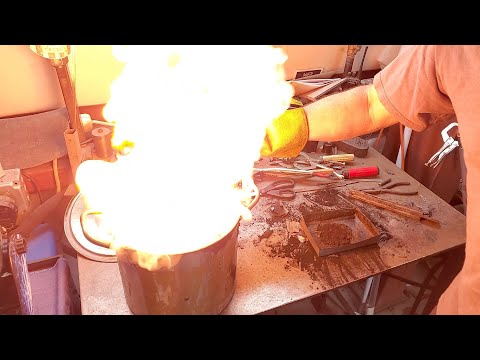
Mark Serbu demonstrates the flame hardening process for the ejection port edge of a BFGA receiver. This technique uses an oxy-acetylene torch to heat the steel to its austenitization temperature, followed by rapid quenching in water. The purpose is to harden the edge, preventing it from bending or dinging when large caliber casings are ejected, thereby increasing the receiver's durability.


Quick Summary

Flame hardening the ejection port edge of a firearm receiver, like the BFGA, uses an oxy-acetylene torch to heat the steel to its austenitization temperature (indicated by a bright orange/yellow color). This is followed by rapid quenching in water to harden the surface, preventing damage from ejected casings and increasing durability.

Chapters

  1. 00:00Introduction to Flame Hardening
  2. 00:10What is Flame Hardening?
  3. 00:31The Hardening Process Begins
  4. 00:48Visualizing the Heat
  5. 00:59Why Harden the Ejection Port?
  6. 01:31Torch Work and Time
  7. 01:49Interesting Fact: Magnetism and Heat Treat
  8. 02:36Post-Quench Magnetism
  9. 02:45Rinsing the Receiver
  10. 03:04Necessity for Every Receiver
  11. 03:24Heat Treat Books vs. Practical Application
  12. 03:41Sheet Metal Heat Dynamics
  13. 04:21DIY Receiver Welding
  14. 04:41Final Visuals
  15. 05:08Last Receiver
  16. 05:32Camera Rotation vs. Normal Procedure
  17. 05:50Conclusion: Quick and Easy
  18. 06:03Thanks and Farewell

Frequently Asked Questions

What is flame hardening and why is it done on firearm receivers?

Flame hardening is a heat treatment process that hardens the surface of steel. On a firearm receiver, it's done on the ejection port edge to prevent it from bending or getting dinged by ejected casings, especially from powerful cartridges like the .50 BMG, thus increasing the receiver's durability.

How can you tell if steel has reached the correct temperature for flame hardening?

You can tell by observing the color of the steel as it heats up. It needs to reach a bright orange/yellow color, indicating it's at the austenitization temperature. An interesting test is that at this temperature, the steel becomes non-magnetic.

What tools are needed for flame hardening a firearm receiver's ejection port?

The primary tool is an oxy-acetylene torch for rapid heating. You will also need a quenching medium, such as water, to rapidly cool the heated steel and lock in the hardness. Safety gear like heat-resistant gloves and eye protection is essential.

Is flame hardening a time-consuming process for sheet metal parts?

No, for thin sheet metal components like a receiver, flame hardening is very quick. The speaker notes that heating the ejection port edge to the correct temperature takes only about 15 seconds, followed immediately by quenching. This is much faster than traditional heat treatment methods for thicker steel.

More Gunsmithing & DIY Videos You Might Like

More from markserbu

View all →