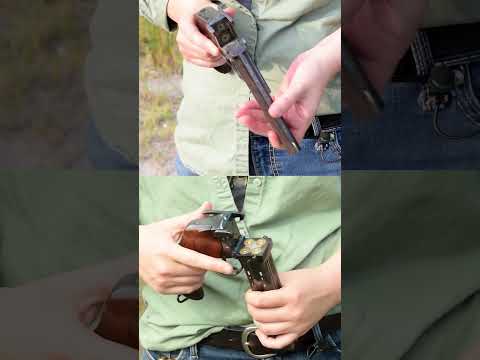
Type 94 "Nanbu" - Light & Rapid Production

Published on April 2, 2026
Duration: 2:05

This video examines a late-production Type 94 Nambu pistol, highlighting manufacturing shortcuts employed for rapid production. It details how the frame was milled from the outside, the exposed transfer bar, and the use of plates for guiding paths, often dovetailed, pinned, or welded. The breech block was bored through and then welded and ground to shape, demonstrating a focus on speed over traditional machining methods.


Quick Summary

The late-production Type 94 Nambu pistol was designed for rapid manufacturing, featuring external frame milling, exposed transfer bars, and dovetailed or welded plates for guiding paths. Its breech block was bored through and then welded, shaped, and ground, reflecting a focus on speed and cost-effectiveness during wartime shortages.

Chapters

  1. 00:00Introduction: Late Production Type 94 Nambu
  2. 00:05Signs of Rapid Manufacturing
  3. 00:16Design Goals: Light & Fast Production
  4. 00:22External Frame Milling Technique
  5. 00:32Exposed Transfer/Sear Bar
  6. 00:45Milled Guiding Paths & Plates
  7. 01:09Rear Cutaways and Assembly
  8. 01:21Breech Block Machining
  9. 01:38Rapid Manufacturer Pistol Context
  10. 01:44Historical Context: WWII Pistol Shortage
  11. 01:57Conclusion: Type 94 vs. Nothing

Frequently Asked Questions

What manufacturing techniques were used to speed up production of the Type 94 Nambu pistol?

The Type 94 Nambu was designed for rapid production by milling the frame from the outside, rather than broaching from the inside. This involved techniques like plunge milling for exposed components and using plates for guiding paths, which were often dovetailed, pinned, or welded.

How did the Type 94 Nambu's breech block assembly differ due to rapid manufacturing?

For rapid assembly, the Type 94 Nambu's firing pin channel was bored straight through the back of the breech block. This opening was then welded shut, the interior shaped, and the exterior ground and finished, prioritizing speed over traditional machining.

What are the visual indicators of a late-production Type 94 Nambu pistol?

Late-production Type 94 Nambu pistols can be identified by their rougher finish, visible machine marks, and squared-off rear sections. These features are direct results of the hurried manufacturing processes employed to meet wartime demand.

Why was the Type 94 Nambu designed for rapid and light production?

The Type 94 Nambu was engineered for speed and light weight due to Japan's severe pistol shortages during World War II, where they often had only about 50% of their required firearm needs. The design prioritized getting a functional firearm into service quickly.

More Gunsmithing & DIY Videos You Might Like

More from C&Rsenal

View all →