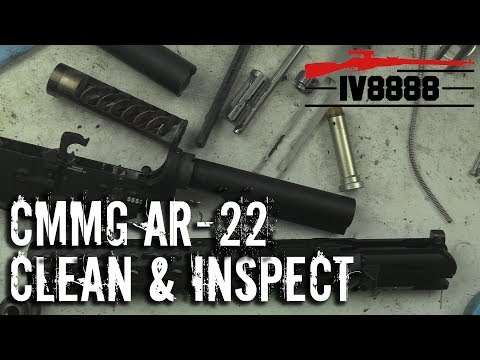
ULTIMATE AR-22 MELTDOWN!

Published on April 19, 2017
Duration: 29:52

This video details an extreme AR-22 meltdown test conducted by Iraqveteran8888, showcasing the platform's performance under sustained full-auto fire. Expert Eric demonstrates the effects of heavy carbon and lead fouling on reliability, emphasizing maintenance over thermal failure points. The test includes detailed temperature readings and a post-cleaning reliability verification, offering valuable insights for AR-22 owners and firearm enthusiasts interested in extreme testing and maintenance.

Quick Summary

An AR-22 meltdown test revealed that sustained full-auto fire primarily causes malfunctions due to carbon and lead fouling, not thermal breakdown. Components reached over 300°F, but thorough cleaning and maintenance restored reliability, highlighting the importance of upkeep for .22 LR firearms under stress.

Chapters

  1. 00:00Introduction and Setup
  2. 02:07Initial Meltdown Phase
  3. 06:56Temperature Readings
  4. 07:26Fouling and Malfunctions
  5. 12:20Post-Meltdown Analysis
  6. 14:50Post-Cleaning Reliability Test

Frequently Asked Questions

What causes malfunctions in an AR-22 during sustained full-auto fire?

Malfunctions in an AR-22 during sustained full-auto fire are primarily caused by heavy carbon and lead fouling, rather than heat-induced mechanical failure. Regular cleaning is essential to maintain reliability.

How hot did the AR-22 components get during the meltdown test?

During the meltdown test, the suppressor reached 222°F, the barrel 301°F, the chamber 149°F, and the upper receiver 161°F. The barrel nut peaked at 275°F, with later bursts showing suppressor at 304°F and barrel at 334°F.

What modifications were made to the CMMG AR-22 for the meltdown test?

For the meltdown test, the standard CMMG firing pin was modified with a custom-machined version to enhance its longevity and reliability during continuous full-auto fire.

Can a .22 LR firearm truly 'melt' from heat?

Based on this test, a .22 LR firearm is unlikely to 'melt' solely from heat like centerfire cartridges. Failures are typically maintenance-based due to fouling accumulation, not thermal breakdown of components.

Related News

All News →

More Gunsmithing & DIY Videos You Might Like

More from Iraqveteran8888

View all →