Ultrasonic Cleaners 101

Published on March 6, 2019
Duration: 14:42

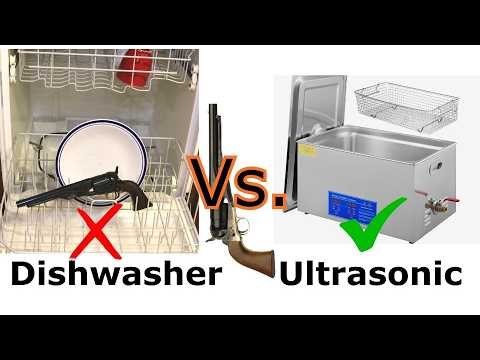
This guide details the process of using an ultrasonic cleaner for firearm maintenance, drawing on expert advice. It covers selecting the right solutions, operating the cleaner, and crucial post-cleaning steps like reassembly and lubrication. The information is presented with a high degree of authority, emphasizing practical application and potential pitfalls.


Quick Summary

Ultrasonic cleaners use high-frequency vibrations to create cavitation bubbles in a cleaning solution, which physically dislodge dirt and carbon from firearm parts. Recommended solutions include Simple Green Extreme, but traditional solvents should be avoided. Proper operation involves temperatures around 100°F and complete disassembly, followed by thorough re-lubrication to prevent rust.

Chapters

  1. 00:00Intro & Mechanism
  2. 01:05Equipment Options
  3. 02:03Cleaning Solutions
  4. 03:58Solvent Warnings
  5. 04:38Operation Settings
  6. 05:37Disassembly & Lubrication
  7. 07:31Refinishing Applications
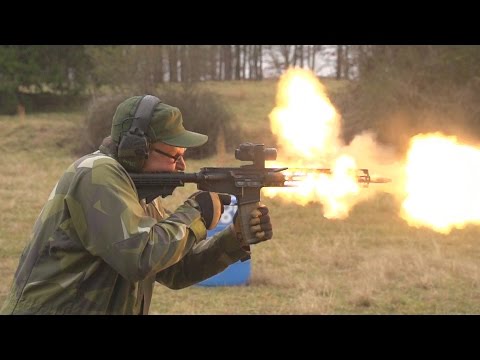
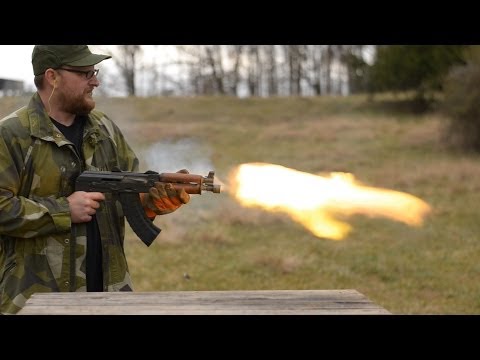
  8. 08:42Suppressors & Machine Guns
  9. 09:59Surplus & Wood Care
  10. 11:25Conclusion

Frequently Asked Questions

What is the primary mechanism behind ultrasonic cleaning for firearms?

Ultrasonic cleaning uses heated water and a cleaning solution. A motor vibrates the vessel at high frequency, creating ultrasonic waves that generate cavitation bubbles. These bubbles collapse, producing micro-jets that physically dislodge dirt, carbon, and grime from submerged firearm parts.

Which cleaning solutions are recommended for ultrasonic firearm cleaning?

Simple Green, particularly the 'Extreme' aircraft-grade version, is recommended for its effectiveness on carbon and environmental friendliness. Caution is advised against using traditional solvents, as they can damage firearm finishes and materials.

What are the key considerations when operating an ultrasonic cleaner for firearms?

Maintain a water temperature around 100°F for optimal cleaning without excessive evaporation or risk to finishes. Ensure complete disassembly of the firearm, and remember that all oils will be removed, requiring thorough re-lubrication post-cleaning.

Are ultrasonic cleaners suitable for all types of firearms and parts?

Yes, they are ideal for high-carbon items like suppressors and machine guns, reaching difficult areas. They are also useful for degreasing parts before refinishing (Cerakote, etc.) and removing cosmoline from surplus rifles.

More Gunsmithing & DIY Videos You Might Like

More from Iraqveteran8888

View all →