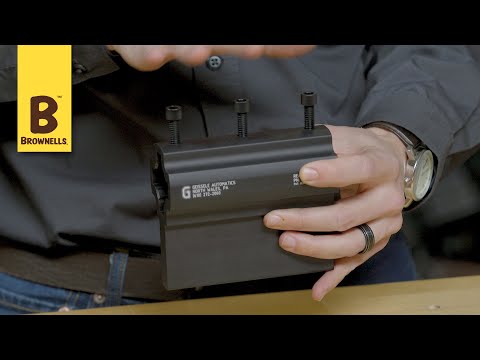
Which buffer tube?

Published on July 29, 2011
Duration: 2:52

This guide details the installation and comparison of two AR-15 pistol buffer tubes: a standard foam-covered model and a Rock River Arms fluted tube that eliminates the need for a castle nut. The video, presented by TheYankeeMarshal, an experienced enthusiast, highlights the aesthetic and functional differences, aiding builders in making informed choices for their AR pistol projects.


Quick Summary

TheYankeeMarshal compares standard AR pistol buffer tubes, often foam-padded for comfort, with Rock River Arms' fluted design that installs directly without a castle nut, offering a cleaner aesthetic for AR pistol builds.

Chapters

  1. 00:00AR Pistol Build: Buffer Tube Options
  2. 00:47Bolt Carrier and Buffer Assembly
  3. 01:12Standard Foam-Covered Buffer Tube
  4. 01:27Rock River Arms Buffer Tube
  5. 01:53Comparison and Conclusion

Frequently Asked Questions

What are the main types of AR pistol buffer tubes discussed?

The video compares standard AR pistol buffer tubes, often featuring foam padding for comfort, with Rock River Arms' fluted pistol buffer tube, which screws directly into the receiver and does not require a castle nut for installation.

What are the advantages of a fluted AR pistol buffer tube?

A key advantage of the Rock River Arms fluted buffer tube is its cleaner aesthetic, as it installs directly into the receiver without the need for a castle nut or end plate, simplifying the build process and appearance.

Does a fluted buffer tube offer the same comfort as a standard one?

Typically, standard AR pistol buffer tubes include foam padding to enhance the shooter's cheek weld and overall comfort. The fluted Rock River Arms tube, while aesthetically cleaner, generally lacks this padding.

How does the installation of a fluted buffer tube differ from a standard one?

A standard pistol buffer tube requires an end plate and a castle nut to secure it to the lower receiver. In contrast, the Rock River Arms fluted buffer tube screws directly into the receiver, eliminating the need for these additional components.

Related News

All News →

More Gunsmithing & DIY Videos You Might Like

More from TheYankeeMarshal

View all →