Channel: @nsz85
John Hauptman of PHLster explains the innovative Enigma concealment system, a beltless holster support device. Unlike traditional gun belts that offer single-axis support, the Enigma allows for independent adjustment of the gun's center of mass and ride height. Its curved, skeletonized faceplate and adjustable underclothes belt, combined with a leg leash, provide enhanced concealment and comfort by allowing for variable flexibility and precise control over the gun's position relative to the body. This system aims to overcome the limitations of conventional holsters and belts, enabling users to carry firearms more discreetly in a wider variety of clothing.
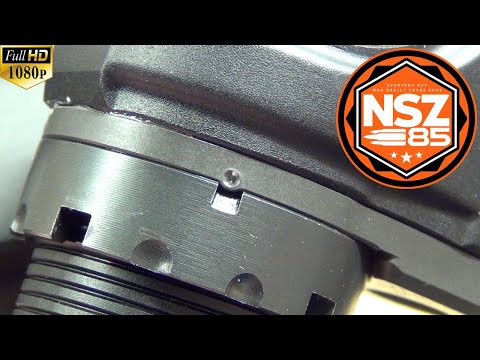
This guide details the Fightmaster Method for staking an AR-15 castle nut, emphasizing proper tool selection and technique. An experienced instructor demonstrates how to use a reaction block, center punch, and brass hammer to stake the end plate into the castle nut notch, preventing loosening from vibration. The method focuses on functional staking, acknowledging that perfect aesthetics are secondary to a secure assembly.
This guide details the installation of the AR-15 receiver extension, end plate, castle nut, and buffer retainer. It emphasizes proper tool usage, including a torque wrench set to 38-42 foot-pounds for the castle nut, and the importance of aligning the end plate notches correctly. The process involves greasing threads, capturing the buffer retainer, and stabilizing the assembly with a reaction block for accurate torquing.
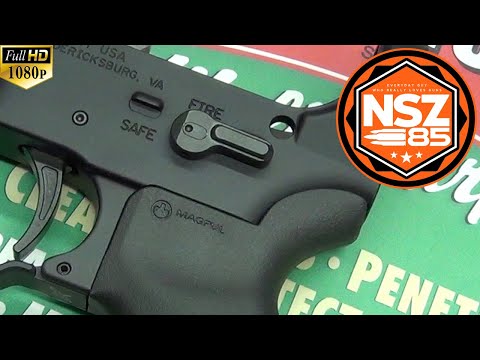
This guide details the installation of the Forward Controls Design (FCD) ASF safety selector on an AR-15 platform. It emphasizes cocking the hammer, correctly orienting the detent and spring within the grip, and using roll pins to secure the short and long levers. The process requires careful alignment and a functional check upon completion.
This guide details the installation of an AR-15 trigger and hammer, specifically highlighting the LaRue MBT trigger and the use of a K&S Precision hammer cage for easier installation. The process involves careful alignment of springs and pins, with a strong emphasis on safety, particularly regarding the hammer spring orientation and avoiding dry firing without the safety installed.
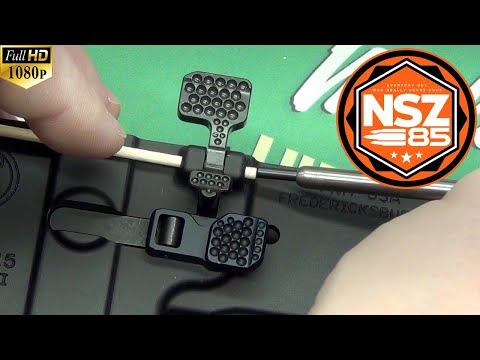
This guide details the installation of an AR-15 bolt catch, featuring the Forward Controls Design ABC/R and utilizing specialized tools like the Little Crow Gunworks BCT. The instruction emphasizes practical techniques, such as using a toothpick to hold components, and proper roll pin installation for optimal function. The video demonstrates a high level of proficiency in AR-15 assembly from an experienced instructor.
This guide details the installation of an AR-15 front pivot pin on a stripped lower receiver. It highlights the use of a specialized tool that simplifies the process of capturing the detent spring, preventing it from becoming dislodged. The video emphasizes that a new pivot pin may feel stiff initially, which is normal and will wear in over time.
This guide details the installation of an AR-15 trigger guard, specifically a Fora Controls Design 'winter' model, onto a stripped lower receiver. It emphasizes proper support for the trigger guard's 'dog ears' during roll pin installation and the careful use of the set screw to avoid damage. The process is presented as straightforward for beginners.
This video focuses on the installation of a magazine catch for an AR-15 platform rifle. It provides a detailed guide on the process, likely aimed at AR-15 owners looking to perform maintenance or upgrades. The content is highly specific to firearm mechanics and customization.
This guide details the process of installing a suppressor-ready muzzle device on an AR-15 upper receiver, emphasizing the use of shims for proper timing and Rocksett for secure fastening. It highlights the importance of barrel thread cleanliness, careful shim selection through trial and error, and final alignment checks with a dedicated rod to prevent baffle strikes. The instruction is presented by an individual with practical experience in firearm assembly.
This guide details the installation of a gas block and rail system on an AR-15 platform. It emphasizes proper alignment of the gas block with the barrel's gas port and securing it with a pin. The rail is then slid over the barrel nut and fastened with specific screws, which must be torqued to 45 inch-pounds using a torque wrench. The process highlights the importance of precise measurements and tool usage for a secure and functional firearm.
This comprehensive guide details the process of installing an AR-15 barrel, specifically focusing on a Forward Controls Design RHF 15 handguard. The instructor, demonstrating high authority and practical expertise, covers essential steps like proper lubrication with AeroShell 33MS grease, using thermal expansion with a Wagner heat gun for tight fits, and precise torque application with a Husky wrench. The guide emphasizes the use of specialized tools like the Geissele Reaction Rod for protecting critical components during installation.