WWSD2020 - KP15 Polymer Manufacturing Discussion and Updates

Published on June 18, 2020
Duration: 19:43

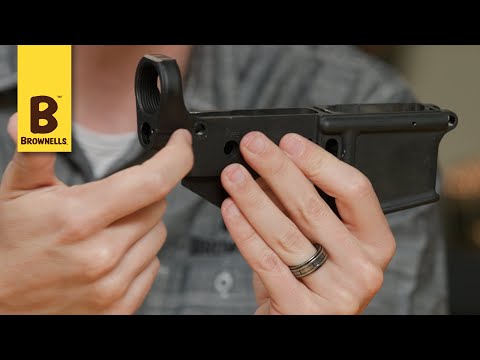
This video provides an in-depth look at the manufacturing process for the KE Arms KP-15 polymer lower receiver, featuring insights from project leads Karl Kasarda, Russell Phagan, and Ian McCollum. The discussion covers historical context, design considerations for polymer, the vibration welding process, mold flow analysis, and manufacturing efficiency, highlighting the advantages of modern materials and techniques over early attempts. Regulatory aspects, such as the challenges with 80% lowers, are also addressed.

Quick Summary

The KE Arms KP-15 polymer lower receiver is manufactured using injection molding for its two halves, followed by vibration welding to fuse them. This process leverages modern material science and precision engineering, offering significant production speed advantages over traditional aluminum receivers and overcoming historical challenges with polymer firearm components.

Chapters

  1. 00:00Project Status and Timeline
  2. 01:43Historical Context of Polymer Lowers
  3. 02:35Design and Engineering for Polymer
  4. 05:44Vibration Welding Process
  5. 07:00Mold Flow and Material Science
  6. 08:33Manufacturing Efficiency
  7. 13:48PDQ Lever and 80% Lower Discussion

Frequently Asked Questions

How is the KE Arms KP-15 polymer lower receiver manufactured?

The KP-15 is manufactured by injection molding two halves of glass-filled nylon, which are then joined together using vibration welding. This process uses friction to melt and bond the polymer components precisely.

What are the advantages of polymer in firearm manufacturing compared to aluminum?

Polymer offers significant manufacturing speed advantages, with molding taking seconds compared to minutes for machining aluminum. It also allows for integrated features and different design considerations tailored to the material's properties.

Why are 80% polymer lower receivers problematic?

The ATF has concerns regarding seams in the fire control area of polymer receivers. This regulatory scrutiny makes the production and sale of 80% polymer lowers more complex and potentially restricted compared to their aluminum counterparts.

What historical attempts preceded the KP-15 polymer lower?

Early attempts at polymer lower receivers, such as Colt's experimental model in the 1970s, failed due to the limitations of material technology at the time. Modern materials and manufacturing techniques have enabled the success of designs like the KP-15.

Related News

All News →

More Gunsmithing & DIY Videos You Might Like

More from InRangeTV

View all →