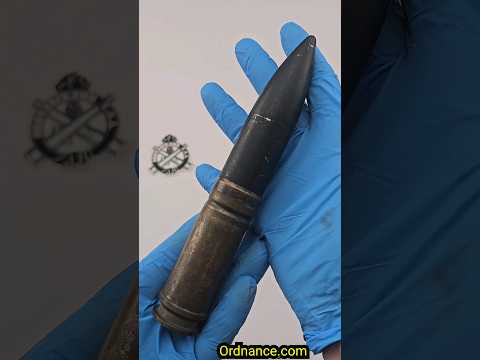
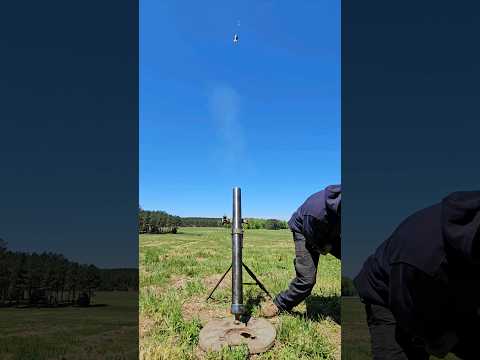
Soviet 30mm High-Explosive FRAG Rounds for AGS-17 Automatic Grenade Launcher #military #gun #coldwar

Published on February 6, 2024
Duration: 0:49

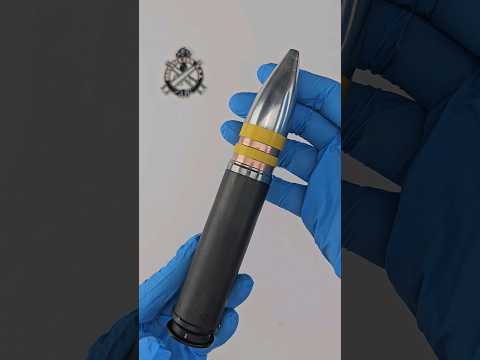
This video provides an expert-level, silent educational guide on the disassembly of a Soviet 30mm HE-FRAG round for the AGS-17 Plamya Automatic Grenade Launcher. The demonstration, performed by an individual with high authority and expertise, methodically breaks down the round, showcasing the fuse components and the unique pre-fragmented wire coil sleeve. It highlights the internal design intended for point-detonation and uniform fragmentation.

Quick Summary

The Soviet 30mm HE-FRAG VOG-17 round for the AGS-17 grenade launcher features a pre-fragmented wire coil sleeve for uniform fragmentation and a point-detonating fuse with safety mechanisms. Disassembly requires careful handling of inert training aids and adherence to strict safety protocols.

Chapters

  1. 00:00External Inspection
  2. 00:04Fuse Assembly Removal
  3. 00:13Fuse Component Breakdown
  4. 00:33Fragmentation Sleeve Extraction

Frequently Asked Questions

What is a Soviet 30mm HE-FRAG round?

A Soviet 30mm HE-FRAG (High-Explosive Fragmentation) round, like the VOG-17, is designed for automatic grenade launchers such as the AGS-17. It detonates to create a blast and disperse fragments, causing damage through both effects.

How is the VOG-17 round designed for fragmentation?

The VOG-17 round features a pre-fragmented wire coil sleeve inside its steel casing. This sleeve is scored to ensure uniform fragmentation upon detonation, maximizing its effectiveness against targets.

What are the key components of the VOG-17 round's fuse?

The fuse assembly of the VOG-17 is designed for point-detonation. It includes a firing pin, a spring mechanism, and internal safety features to prevent premature detonation before impact.

What safety precautions should be taken when handling ordnance?

When handling any ordnance, especially for educational disassembly, always use inert training aids. Wear appropriate personal protective equipment, work in a controlled environment, and follow strict safety protocols to prevent accidental detonation or injury.

Related News

All News →

More Handling Procedure Videos You Might Like

More from Ordnance

View all →