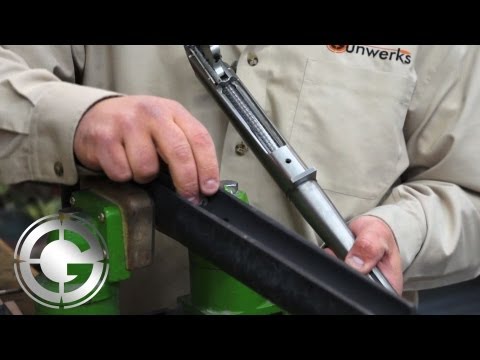
Long Range Pursuit | S4 E19 Seasons Best Elk Hunts

Published on June 6, 2018
Duration: 25:00

This episode of Long Range Pursuit showcases successful elk hunts in Idaho and Arizona, emphasizing long-range shooting techniques and specialized gear. The hunters demonstrate advanced skills in windage and elevation compensation, utilizing ballistic rangefinders and high-quality rifles and ammunition to achieve ethical shots on large bulls at significant distances. The content highlights the importance of preparation, patience, and precise execution in challenging mountainous terrain.

Quick Summary

Successful long-range elk hunting demands precise gear and advanced techniques. Key elements include accurate rifles (e.g., Gunwerks), quality ammunition (e.g., Hornady), and advanced optics. Mastering wind compensation and elevation adjustments using tools like the G7 ballistic rangefinder is vital for ethical shots at extended distances, with topography playing a significant role in wind assessment.

Chapters

  1. 00:00Introduction to Long Range Pursuit
  2. 01:06First Long Range Shot Attempt
  3. 02:47Post-Hunt Debrief and Success
  4. 04:00Setting Up Camp and Hiking
  5. 05:01Recap of a Successful Hunt
  6. 05:34Hornady Ammunition Spotlight
  7. 06:01Gunwerks Rifle Philosophy
  8. 06:27Idaho Elk Season Opening Day
  9. 07:18Tracking Elk at 900 Yards
  10. 07:43Successful Long Range Shot
  11. 08:19Celebrating a First Elk Kill
  12. 09:18Thanks to the Hunting Team
  13. 09:48Gunwerks Shooting School Promo
  14. 10:35Nightforce Optics Mention
  15. 10:47Arizona Elk Hunt Begins
  16. 11:17Waiting for Elk to Emerge
  17. 13:20Arizona Elk Down at 410 Yards
  18. 14:04Eastern Arizona Hunt Details
  19. 15:49G7 Ballistic Rangefinder Explained
  20. 16:48Approaching the Elk Herd
  21. 17:37Long Range Engagement Setup
  22. 18:24Record Long Shot at 1060 Yards
  23. 19:15Challenges of Mountain Hunting
  24. 19:24Reflecting on the Season's Success
  25. 20:27Gunwerks 7LRM Rifle and Ammo
  26. 20:41Importance of Anti-Cant Indicator
  27. 21:13Stable Shooting Platform
  28. 21:32Critical Wind Factors
  29. 23:04Rangefinder's Role in Wind Hold
  30. 23:34Successful Elk Season Recap
  31. 24:11Sponsor Mentions

Frequently Asked Questions

What are the key factors for successful long-range elk hunting?

Successful long-range elk hunting relies on precise gear, including accurate rifles like Gunwerks, high-quality ammunition, and advanced optics. Crucially, mastering wind compensation and elevation adjustments using tools like the G7 ballistic rangefinder is vital for ethical shots at extended distances.

How does topography affect wind in long-range shooting?

Mountainous terrain and canyons can significantly funnel and amplify wind. Even if wind is light at the shooter's position, it can be much stronger at the target's location, necessitating careful observation of vegetation and using ballistic tools to accurately estimate and compensate for these wind conditions.

What role does a scope level play in long-range accuracy?

A scope level, or anti-cant indicator, is critical for long-range shooting, especially in uneven terrain. It ensures the rifle is held perfectly vertical, preventing cant that would otherwise throw off the bullet's trajectory and lead to misses, particularly on shots at extreme distances.

What equipment is recommended for long-range elk hunting?

Recommended equipment includes a high-precision rifle like a Gunwerks LRMS, reliable ammunition such as Hornady American Whitetail, advanced optics like Nightforce SHV, and a ballistic rangefinder such as the G7. Comfortable shooting rests, like bipods and rear bags, are also essential.

More Hunting & Outdoors Videos You Might Like

More from Gunwerks

View all →