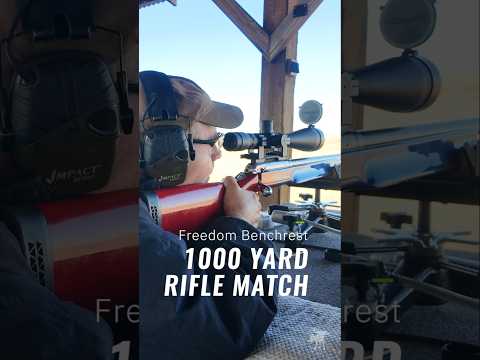
How to be intentional with PRS training and get better results

Published on January 20, 2024
Duration: 5:27

This guide outlines an intentional training approach for Precision Rifle Series (PRS) competitors, focusing on maximizing effectiveness at a 100-yard range. It details how to zero a rifle, practice various shooting positions from a bench and tripod, and utilize different support gear. The emphasis is on fundamental skills like trigger control and free recoil, aiming to improve overall performance in competitive shooting.


Quick Summary

Intentional PRS training at a 100-yard range involves planning specific skills, practicing positional shooting from bench and tripod, and focusing on fundamentals like clean trigger press and free recoil. Utilize targets with 1.5-inch circles for positional assessment and small dots for zeroing.

Chapters

  1. 00:00Intro and Sponsor Shout-out
  2. 00:27Intentional Training Introduction
  3. 00:46Range Session Overview
  4. 01:05Target Setup for Zeroing
  5. 01:16Bench Zeroing Technique
  6. 01:34Scope Adjustment and Grouping
  7. 01:59Prone Zeroing Confirmation
  8. 02:12Positional Practice from Bench
  9. 03:14Positional Practice with Tripod
  10. 04:17Conclusion and PRS Training Tips

Frequently Asked Questions

How can I make my PRS training more intentional and effective?

To train intentionally for PRS, plan your range sessions by identifying specific skills to focus on beforehand. Utilize a 100-yard range for accessible practice, focusing on fundamentals like trigger control and positional shooting from various stances using a bench and tripod.

What are key shooting fundamentals for PRS competitions?

Key fundamentals for PRS include a clean trigger press, which means applying steady pressure without disturbing the rifle's aim, and mastering free recoil, allowing the rifle to move naturally after the shot without excessive grip pressure.

How important is positional shooting in PRS training?

Positional shooting is critical in PRS. Training from various positions like kneeling, modified prone, and standing, both from a bench and with a tripod, helps you adapt to different scenarios encountered in matches and improve stability.

What kind of targets are best for zeroing and positional practice?

For zeroing, use targets with small dots. For positional practice and assessing performance shifts, targets with 1.5-inch diameter circles at 100 yards are effective, as they clearly reveal accuracy differences between stances.

Related News

All News →

More Range & Competition Videos You Might Like

More from Precision Rifle Network

View all →