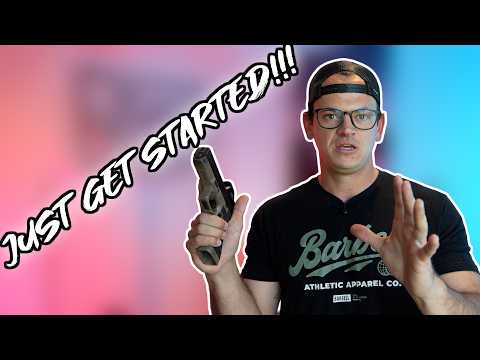
I Finally Shot My First USPSA Match!

Published on July 16, 2025
Duration: 13:32

This video documents a shooter's first USPSA match, highlighting the differences from IDPA, including increased movement and fewer restrictions on reloads. The shooter shares initial nervousness, the challenges of complex stages, and observations on trigger control affecting follow-up shots. Despite some difficulties, the overall experience is positive, emphasizing USPSA as a fun sport.


Quick Summary

USPSA competition generally features more dynamic movement and fewer restrictive rules on reloads and cover compared to IDPA. New shooters may find USPSA stages more complex and should focus on trigger control for effective follow-up shots, potentially considering equipment adjustments like trigger shoes.

Chapters

  1. 00:00Introduction & Nerves
  2. 00:32Pre-Match Preparations
  3. 01:49Stage 1: Make Ready
  4. 02:52Stage 1: Finish & Analysis
  5. 04:13Stage 2: Make Ready
  6. 04:38Stage 2: Finish & Hit Factor
  7. 06:12Stage 3: Finish & Trigger Issues
  8. 08:07Stage 4: Follow-up Shot Lag
  9. 09:56Stage 5: Missed Target & USPSA vs IDPA Rounds
  10. 12:02Final Stage & Match Wrap-up
  11. 12:10USPSA vs IDPA: Key Differences
  12. 12:51Sport vs. Self-Defense Training
  13. 13:10Conclusion & Future Plans

Frequently Asked Questions

What are the main differences between USPSA and IDPA for a new shooter?

USPSA generally involves more dynamic movement and fewer restrictions on reloading locations compared to IDPA. While both are competitive shooting sports, USPSA often emphasizes speed and accuracy across more open stages, whereas IDPA can be more focused on practical self-defense scenarios with stricter rules.

What is a common issue for new shooters in USPSA, especially when transitioning from IDPA?

A common issue for new shooters in USPSA, particularly those coming from IDPA, is managing the increased movement and maintaining accuracy. Some also experience difficulties with quick follow-up shots, which can be related to trigger control and trigger mechanism characteristics.

How does USPSA differ in terms of stage complexity and rules?

USPSA stages can be more complex, requiring significant movement and strategic target engagement. Unlike IDPA, there are fewer rules dictating where you must reload or how you must use cover, allowing for a more fluid and aggressive shooting style.

What advice is given regarding trigger control and follow-up shots in competitive shooting?

Experiencing a 'trigger freeze' or lag in follow-up shots is a common problem. Shooters are advised to work on trigger control to ensure a clean break and reset, which may involve looking into equipment like different trigger shoes to improve performance.

Related News

All News →

More Range & Competition Videos You Might Like

More from Summer Shoots

View all →