One Weird Trick to Not Shooting USPSA.

Published on February 25, 2019
Duration: 2:27

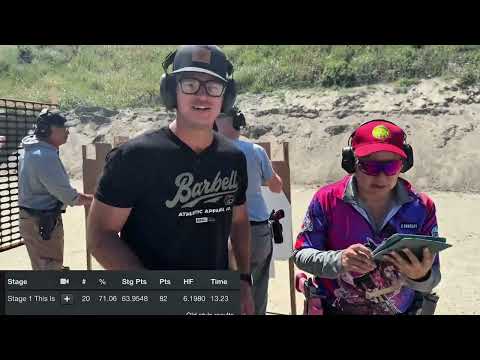
This video details a USPSA shooter's experience with a cold-weather malfunction that led to a disqualification. The shooter identifies the cold temperature's effect on the firearm's slide speed and a potential issue with a worn magazine spring as primary causes. They also reflect on a flawed stage plan that exacerbated the problem, emphasizing the importance of proper firearm preparation and maintenance for competitive shooting, especially in adverse conditions.

Quick Summary

Cold weather can cause USPSA malfunctions by slowing down a firearm's slide speed and affecting lubricant viscosity. Using appropriate cold-weather oil and ensuring magazine springs are in good condition are crucial for reliable performance. Aggressive stage plans can amplify these issues, leading to disqualifications.

Chapters

  1. 00:03Match Recap & Malfunction
  2. 00:57Post-Match Reflection
  3. 01:06Cold Weather Impact
  4. 01:10New Gun & Grease Issue
  5. 01:21Slide Speed & Malfunction Cause
  6. 01:27Aggressive Stage Plan
  7. 01:42Failure to Prepare
  8. 01:56Lubrication Importance
  9. 02:03Magazine Spring Theory
  10. 02:13Lesson Learned

Frequently Asked Questions

What are common causes of malfunctions in cold weather USPSA matches?

Cold weather can significantly slow down a firearm's slide speed, leading to chambering issues. Additionally, factory grease like Glock's orange grease may not perform well in low temperatures, and worn magazine springs can also contribute to feeding problems, causing malfunctions.

How can I prevent my Glock from malfunctioning in cold weather?

Ensure your Glock is properly cleaned and lubricated with an oil suitable for cold weather before shooting. Remove any factory grease that may not perform well in low temperatures. Also, check and replace worn magazine springs to ensure reliable feeding.

What is the impact of aggressive stage plans in USPSA?

Aggressive stage plans in USPSA, especially those requiring quick movement or drawing from a stationary position in cold weather, can exacerbate firearm issues. If the cold affects your firearm's function or your own ability to move efficiently, such plans increase the risk of malfunctions and disqualifications.

Why is proper lubrication crucial for competitive shooting in different temperatures?

Lubrication is vital for smooth firearm operation. In cold weather, standard lubricants can thicken, slowing down the slide and potentially causing malfunctions. Using lubricants formulated for cold temperatures ensures consistent performance and reliability.

Related News

All News →

More Range & Competition Videos You Might Like

More from TheHumbleMarksman

View all →