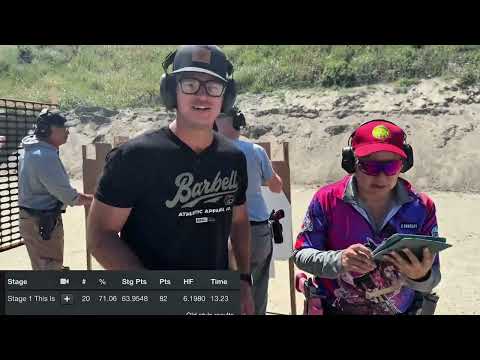
Practical Pistol Show 164 - Back and ready to fuck shit up

Published on September 30, 2016
Duration: 18:03

This episode of the Practical Pistol Show discusses goal-setting strategies for competitive shooters. Ben Stoeger, Tim Herren, and Nick Yanola explore the effectiveness of chasing other shooters as benchmarks versus focusing solely on personal technical skill development. They also address managing expectations and dealing with post-match disappointment, emphasizing that perpetual dissatisfaction can be a driver for improvement in competitive shooting.

Quick Summary

For competitive shooters, perpetual dissatisfaction with match performance, even after a win, is a sign of hunger and a desire to improve, which is crucial for long-term success. While setting goals to beat specific, consistent shooters at a local club can be a useful micro-goal, it's more effective to focus on measurable technical skill improvements in practice, such as draw times or drill completion speeds.

Chapters

  1. 00:17Show Intro & Technical Issues
  2. 00:45Lost Episodes & Relaunch
  3. 01:39Nick's Video Feed Issue
  4. 02:09Audio Quality Check
  5. 02:30First Question: Micro Goals vs. Self-Focus
  6. 04:27Question Analysis: Chasing Shooters
  7. 05:04Nick's Take on Micro Goals
  8. 06:10GM Goals Discussion
  9. 06:44Tim's Perspective on GM Goals
  10. 08:31The Nature of Shooting Goals
  11. 09:40Refining Micro Goals
  12. 11:12Consistency in Stages vs. Shooters
  13. 12:31Second Question: Managing Match Performance & Mistakes
  14. 13:48Practice vs. Match Performance Gap
  15. 15:05The Value of Dissatisfaction
  16. 16:16Burnout and Managing Expectations
  17. 16:51Nick's Final Thoughts
  18. 17:25Show Outro & Question Submission

Frequently Asked Questions

What is the best strategy for improving in competitive shooting, chasing other shooters or focusing on personal skills?

Experts suggest that while chasing consistent local shooters can be a useful micro-goal, focusing on measurable technical skill improvements in practice, like draw times and drill accuracy, is more effective for long-term advancement and achieving higher classifications like Grandmaster.

How should competitive shooters manage disappointment after a match?

It's normal for successful competitive shooters to feel dissatisfied even after a good performance. This perpetual hunger to improve is a positive sign and should be used as motivation to refine skills, rather than a reason for discouragement. The goal is continuous improvement, not just winning individual matches.

Is it realistic to aim for Grandmaster (GM) classification in USPSA within 12-18 months?

Achieving GM classification in USPSA within 12-18 months is considered a very ambitious goal. While possible, it requires significant dedication, rapid skill development, and likely a strong foundation from prior shooting experience, such as excelling in other disciplines like IDPA.

Why is it difficult to replicate practice performance in a match?

Match environments present different pressures and variables than practice. In practice, shooters often push limits without the same consequences, whereas matches involve executing under pressure with specific stage designs. Expecting identical performance is generally unrealistic.

Related News

All News โ†’

More Range & Competition Videos You Might Like

More from Ben Stoeger

View all โ†’