Practical Pistol Show 178 - Broke D Sig

Published on January 12, 2017
Duration: 19:44

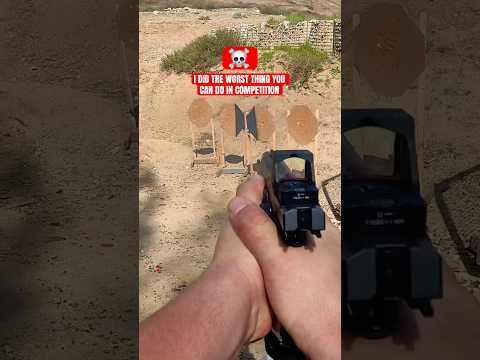
This episode of the Practical Pistol Show features a discussion among competitive shooters Ben Stoeger, Matt Hopkins, and Tim Heron about the skill gap between Grandmaster (GM) shooters and the top tier of competitive pistol athletes. They explore factors beyond raw technical skill, including mental execution, lifestyle approach to the sport, and consistency. The discussion also touches on practical shooting advice, such as accurately calling shots on steel targets and managing hearing protection during competition.

Quick Summary

The key difference between top competitive shooters and Grandmasters lies in consistency and execution. Top athletes treat shooting like a job, train rigorously, and focus on performing flawlessly on demand, especially on the first attempt of any given stage or drill.

Chapters

  1. 00:00Intro: Broken Sig
  2. 01:06Welcome to the Practical Pistol Show
  3. 01:30Question: What Now After GM?
  4. 03:14Discussion: Skill Gap Analysis
  5. 05:10Factors: Training, Lifestyle, Execution
  6. 06:46Tim's Turn: Execution and Consistency
  7. 09:01The Core Difference: Consistency
  8. 11:58Question: Steel Target Issues
  9. 13:13Problem: Hearing Steel Hits
  10. 14:00Advice: Calling Shots on Steel
  11. 15:38Aiming Point on Steel
  12. 15:59Hearing Protection and Steel
  13. 16:34Practice with Falling Steel
  14. 17:20Confirming Steel Hits
  15. 19:29Submit Your Questions

Frequently Asked Questions

What separates top competitive shooters from Grandmasters?

Top competitive shooters are often distinguished by their consistency and ability to execute flawlessly under pressure, rather than just raw technical skill. They tend to treat shooting as a serious part-time or full-time endeavor, dedicating significant time to training and competition to achieve peak performance.

How can I improve my accuracy when shooting steel targets?

To improve accuracy on steel targets, focus on aiming for the dead center of the target, just as you would aim for the A-zone on paper. Avoid simply throwing your sights in the general direction. This disciplined aiming increases the likelihood of a solid hit and reduces edge impacts.

Should I use active hearing protection when shooting steel?

It's generally not recommended to use active hearing protection when shooting steel targets in competition. The amplification of sounds can lead you to react to the 'ping' of the steel rather than visually confirming the hit. Non-active hearing protection or double-plugging is a better option.

What is the importance of 'calling your shots' in competition?

Calling your shots means visually confirming that your shot hit the intended target before moving to the next. On steel, this is crucial to avoid leaving targets standing due to edge hits or auditory misinterpretations. For difficult steel targets, it's acceptable to take a brief moment to visually confirm the hit.

Related News

All News β†’

More Range & Competition Videos You Might Like

More from Ben Stoeger

View all β†’