Practical Pistol Show 219

Published on November 2, 2017
Duration: 29:21

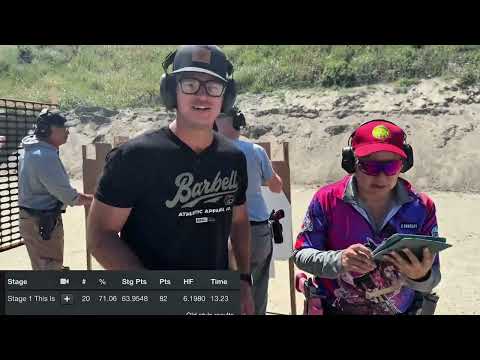
This episode of the Practical Pistol Show features discussions on competitive shooting strategies, including training for multiple divisions, the controversy surrounding match entry fees, and effective dry-fire techniques. Ben Stoeger and guests share insights on balancing practice between different firearm platforms and the importance of consistent training for skills like reloads and transitions. The conversation also touches on the logistics and costs associated with organizing shooting matches.

Quick Summary

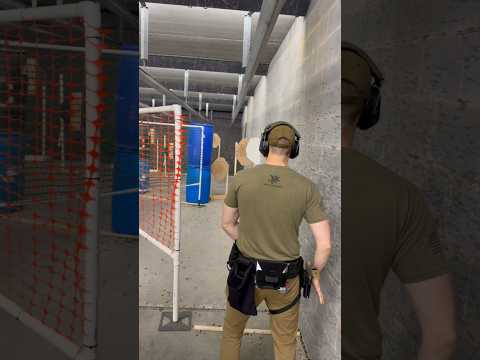
Competitive shooters training for multiple divisions should alternate focus between sighting systems, dedicating sessions to red dots and iron sights to adapt to different focus requirements. Effective dry-fire practice emphasizes efficient movement and target transitions, alongside fundamental drills like reloads, for improved stage times.

Chapters

  1. 00:04Introduction and Guest Introductions
  2. 00:37Alex Burdock's New Career Path
  3. 02:06Class Schedule and Booking Information
  4. 03:56Blue Bullets Ammunition Promotion
  5. 05:39Area 6 Match Entry Fee Controversy
  6. 10:15Training for Multiple Divisions
  7. 13:37Production vs. Open Division Strategy
  8. 14:45Splitting Major Matches
  9. 15:10Kimmy's Division Focus
  10. 16:40Iron Sights vs. Red Dot Training
  11. 18:03Comfort with Different Gear
  12. 20:11Dry Fire Reloaded: Training Questions
  13. 21:25Dry Fire Drill Focus
  14. 23:05Alex's Dry Fire Priorities
  15. 24:33Young Shooter's Success
  16. 25:36Skill Development Phase Advice
  17. 27:05Learning vs. Repetition in Dry Fire
  18. 29:04Listener Questions and Show Outro

Frequently Asked Questions

How should competitive shooters train for multiple divisions like Carry Optics and Production?

When training for multiple divisions, especially those with different sighting systems, alternate focus between them. For example, dedicate morning sessions to red dot sights and evening sessions to iron sights. This helps develop the necessary focus shifts and adaptability required for each platform, ensuring proficiency across different equipment setups.

What are effective dry-fire drills for improving shooting performance?

Effective dry-fire practice should go beyond just draws and reloads. Focus on improving efficient movement and target transitions, as these significantly impact stage times. A balanced routine incorporating various drills, with focused sessions on specific skills, is more beneficial than simply accumulating hours of practice.

What is the general sentiment regarding high match entry fees in competitive shooting?

Match entry fees can be a point of discussion. While some competitors question higher fees, others are indifferent, valuing the competition experience. The demand for a match, often indicated by sell-outs and waitlists, can influence pricing, and the perceived value is subjective to each participant.

How important is consistent practice for skills like reloads and transitions?

Skills like reloads and target transitions are critical in many shooting divisions and can deteriorate quickly without consistent practice. They require constant work to maintain proficiency. Even a short break from dry-fire can impact performance, highlighting the need for ongoing training to keep these fundamental skills sharp.

More Range & Competition Videos You Might Like

More from Ben Stoeger

View all →