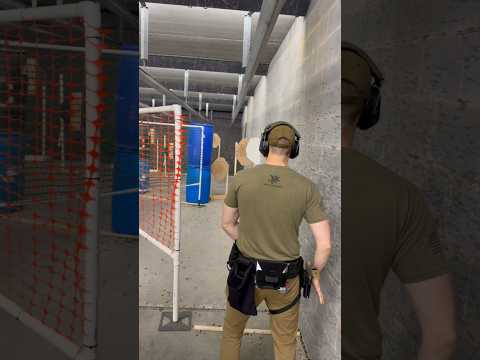
Practical Pistol Show 5 - Tim Herron's Pot of Gold

Published on January 30, 2015
Duration: 21:17

This episode of the Practical Pistol Show features Grandmaster shooter Tim Herron and host Ben Stoeger discussing competition shooting, particularly USPSA. They cover the Grand Power X-Calibur pistol, the Sig Sauer P320's suitability for production division, and strategies for improving speed in 'hoser' style matches by focusing on relaxation. Herron also shares insights on the future of single stack divisions and his training regimen for consistency.

Quick Summary

To improve speed in 'hoser' style USPSA matches, focus on relaxation. Practice dry-fire drills like 'draw shoot two, reload, shoot two' with tight time limits to manage tension. In live fire, use Bill Drills with wide target spreads. The key is to stay loose and relaxed, as tension hinders speed and accuracy.

Chapters

  1. 00:02Introduction and Guests
  2. 01:16Discussion: Grand Power X-Calibur
  3. 03:03Tim Herron's Switch to Sig P320
  4. 05:24Shooting Question: Preparing for Hoser Matches
  5. 06:04Dry Fire for Speed: Relaxation Drills
  6. 07:17Live Fire for Speed: Bill Drills
  7. 10:12Question Speed Round for Tim Herron
  8. 10:32Future of Single Stack Division
  9. 11:29Is the P320 the New Hotness?
  10. 14:01Production Optics Division?
  11. 15:56Common Single Stack Breakage Parts
  12. 16:36Is Being Left-Handed a Handicap?
  13. 17:52Training Changes for Consistency
  14. 18:49Teaching Classes in the Future?
  15. 19:35Metal vs. Polymer for Production
  16. 20:31Closing Remarks

Frequently Asked Questions

How can I improve my speed in 'hoser' style USPSA matches?

To improve speed in 'hoser' matches, focus on relaxation. Practice dry-fire drills like 'draw shoot two, reload, shoot two' with tight time limits to manage tension. In live fire, use Bill Drills with wide target spreads. The key is to stay loose and relaxed, as tension hinders speed and accuracy.

What are the advantages of the Sig Sauer P320 for competition?

The Sig Sauer P320 is favored for production division due to its excellent balance, phenomenal trigger, and ambidextrous controls, which are crucial for left-handed shooters. It's considered a significant improvement over many other polymer pistols like Glocks and XDs.

What are the most common parts to carry for single stack 1911 repairs?

For single stack 1911s, the most common parts to have on hand for potential breakages are recoil springs, slide stops, and barrel links. While these are the most likely to fail, experienced shooters often find they rarely need to use spare parts.

Is being left-handed a disadvantage in USPSA competition?

Being left-handed is generally not a significant disadvantage in USPSA. While some stages might be set up to favor right-handed shooters, it's not a consistent limitation. Many successful left-handed shooters use it as a strength rather than an excuse for performance issues.

More Range & Competition Videos You Might Like

More from Ben Stoeger

View all →