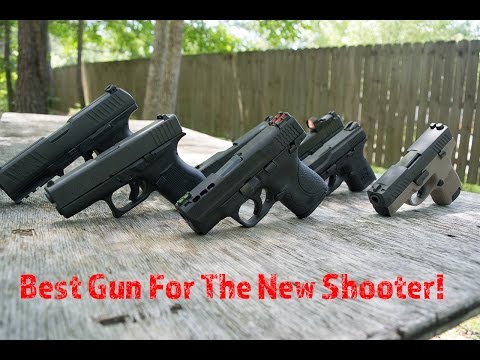
Anatomy Of A Great Carry Gun

Published on July 22, 2022
Duration: 16:03

This video breaks down the essential components of an excellent concealed carry gun, emphasizing that personal preference plays a significant role. The instructor highlights capacity, size and weight, sight quality, shootability, trigger consistency, optic readiness, and overall reliability as key factors. He uses examples like the Sig Sauer P365 and Smith & Wesson Shield Plus to illustrate these points, advocating for a balance between a full-size firearm's shootability and a micro-compact's concealability.

Quick Summary

A great concealed carry gun balances capacity (minimum 10 rounds), manageable size and weight for daily comfort, effective sights, shootability, a consistent trigger, optic readiness, and proven reliability. Personal preference is key in finding the perfect blend of these features for your EDC needs.

Chapters

  1. 00:00Introduction to Carry Gun Anatomy
  2. 01:01Capacity: The Minimum Standard
  3. 02:15Size and Weight: Concealability Matters
  4. 04:01Sights: Essential for Accuracy
  5. 04:54Shootability: Making Every Shot Count
  6. 07:24Trigger Consistency: A Critical Factor
  7. 09:51Optic Readiness and Night Sights
  8. 10:44Trust and Reliability: The Foundation
  9. 12:26Balancing the Anatomy of a Carry Gun
  10. 13:31Personal Preference and Perfect Balance
  11. 14:25Conclusion and Viewer Input

Frequently Asked Questions

What are the most important factors for a great concealed carry gun?

A great concealed carry gun prioritizes capacity (at least 10 rounds), manageable size and weight for comfortable daily carry, effective sights for quick aiming, shootability, a consistent trigger, optic readiness, and overall reliability. Personal preference plays a significant role in balancing these features.

Why is capacity important in a concealed carry firearm?

Capacity is crucial for self-defense, as having more rounds available can be critical in a high-stress situation. A minimum of 10 rounds is generally recommended for modern concealed carry firearms, with extended magazines offering even more.

How do size and weight affect a concealed carry gun's effectiveness?

A gun's size and weight directly impact its concealability and the likelihood of it being carried daily. If a firearm is too bulky or heavy, it may be left at home, rendering it useless for self-defense when needed.

What makes a carry gun 'shootable'?

A shootable carry gun is one that you can handle comfortably and accurately place shots with. This involves a good grip, manageable recoil, and features like a good trigger and sights that allow for effective engagement of targets.

Why is trigger consistency important for a carry gun?

A consistent and predictable trigger pull, with a clear break and reset, is vital for accuracy and confidence, especially under stress. A gritty or inconsistent trigger can lead to flinching or missed shots, compromising effectiveness.

Related News

All News →

More Reviews Videos You Might Like

More from Hegshot87

View all →