Cutting Edge Military Hardware for Civilians: Manufrance Mle 1892

Published on March 31, 2023
Duration: 12:07

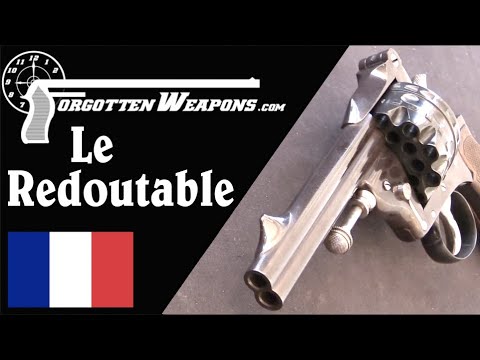
This review details the civilian Manufrance Mle 1892 revolver, highlighting its revolutionary features like a swing-out cylinder and smokeless powder, distinguishing it from earlier black powder models. Key visual cues differentiate civilian from military versions, including a specific hammer screw and dovetailed front sight. Production numbers indicate around 88,000 civilian models were made, with Manufrance producing about 32,000.

Quick Summary

The civilian Manufrance Mle 1892 revolver is distinguished from military models by a visible screw on the hammer retaining the firing pin and a dovetailed front sight. It also features a unique right-hand swing-out cylinder and was chambered for smokeless powder.

Chapters

  1. 00:00Intro: Civilian Mle 1892 Revolver
  2. 01:23Market Appeal & Modern Comparisons
  3. 02:40Manufacturers & Saint-Etienne Distinction
  4. 04:35Mechanical Operation & Cylinder Swing
  5. 05:19Identifying Civilian Markings
  6. 07:42Visual Distinctions: Civilian vs Military
  7. 08:27Disassembly & Internal Details
  8. 10:11Production Statistics: Military vs Civilian

Frequently Asked Questions

What distinguishes a civilian Manufrance Mle 1892 from a military version?

Civilian models typically feature a visible screw on the hammer for the firing pin and a dovetailed front sight. Military versions often have a polished firing pin and a front sight forged directly into the barrel.

What were the key advancements of the Mle 1892 revolver?

The Mle 1892 was revolutionary for its time, featuring a swing-out cylinder for easier loading and unloading, and utilizing smokeless powder, a significant upgrade from the black powder era.

How many civilian Mle 1892 revolvers were produced?

Total civilian production is estimated at around 88,000 units. The Manufrance factory specifically produced approximately 32,000 of these revolvers through the 1920s.

Why does the Mle 1892 cylinder swing out to the right?

The cylinder's right-hand swing-out design is believed to have been intended for cavalrymen who might hold their saber in their right hand, allowing them to operate the pistol with their left.

Related News

All News →

More Reviews Videos You Might Like

More from Forgotten Weapons

View all →