French RSC 1917

Published on November 20, 2023
Duration: 1:00

The French RSC 1917 was a semi-automatic rifle developed for WWI, utilizing parts from the Lebel rifle to expedite production. It features a unique gas piston system and a 5-round internal magazine loaded via clips. Despite its innovative design for the era, historical accounts suggest it suffered from significant reliability issues during combat.

Quick Summary

The French RSC 1917 was a semi-automatic rifle used in WWI, featuring parts from the Lebel rifle and a 5-round internal magazine loaded via clips. It weighed 11.5 lbs and was 52 inches long, but was historically known for significant reliability issues.

Chapters

  1. 00:00Introduction and Loading the RSC 1917
  2. 00:26RSC 1917 Design and Sights Explained
  3. 00:40RSC 1917 Operation, Handling, and Reliability

Frequently Asked Questions

What makes the French RSC 1917 significant in WWI history?

The RSC 1917 is notable as one of the few semi-automatic rifles deployed by any nation during World War I, representing an early attempt at modernizing infantry firepower on the battlefield.

How is the French RSC 1917 rifle loaded?

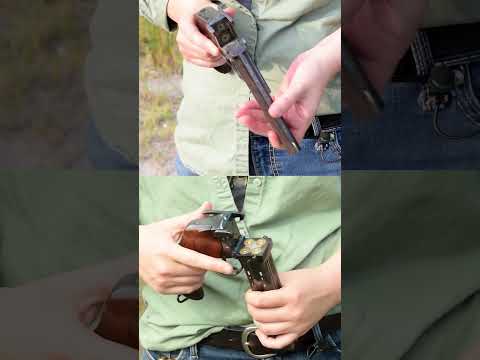
The RSC 1917 is loaded by opening the magazine cover and inserting a 5-round clip of 8mm Lebel ammunition from the bottom into the rifle's internal magazine.

What were the main design features of the RSC 1917?

It utilized the barrel and stock from the Lebel rifle, featured a gas piston system in the former magazine channel for faster production, and had basic wartime sights.

Was the French RSC 1917 a reliable firearm?

Historically, the RSC 1917 is often described as being notoriously unreliable during its service in World War I, despite its semi-automatic capability.

Related News

All News →

More Reviews Videos You Might Like

More from C&Rsenal

View all →