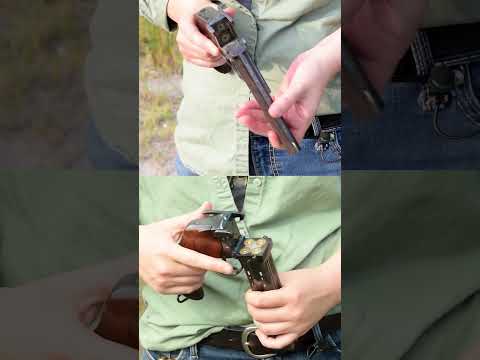
History of WWI Primer 077: German 1871 Jägerbüchse and Carbine Documentary

Published on June 5, 2018
Duration: 45:22

This video provides an in-depth historical and technical review of the German Mauser 1871 Jägerbüchse and Karabiner 71. It details their design, specifications, and significant use in colonial theaters during WWI, particularly by the Schutztruppe and Paul von Lettow-Vorbeck's forces. The expert analysis highlights their performance and historical context.

Quick Summary

The German Mauser 1871 Jägerbüchse and Karabiner 71 were bolt-action rifles chambered in 11.15x60mmR. The Jägerbüchse, a shorter variant for light infantry, featured improved ergonomics and saw extensive use in WWI colonial conflicts, while the Karabiner 71 was a more compact carbine designed for cavalry.

Chapters

  1. 00:00Introduction to the Mauser 1871 Jägerbüchse
  2. 01:30History of the Jäger and Schützen Units
  3. 03:56Technical Differences of the Jäger Variant
  4. 05:40Live Fire Demonstration: Jägerbüchse
  5. 09:48Colonial Service and the Schutztruppe
  6. 14:32Modifications and Late Service
  7. 22:50The Karabiner 71 (Cavalry Carbine)
  8. 31:28Mae's Assessment and Conclusion

Frequently Asked Questions

What were the key differences between the Mauser 1871 Jägerbüchse and the standard infantry rifle?

The Jägerbüchse 1871 was about four inches shorter, featured a semi-pistol grip spur on the trigger guard for better handling, and had a different sling swivel configuration, making it handier for its intended role.

How did the Mauser 1871 variants serve during World War I?

While largely replaced in Europe, the 1871 variants, particularly the Jägerbüchse, saw extensive service in colonial theaters like Africa with the Schutztruppe, often used by figures like Paul von Lettow-Vorbeck.

What caliber did the Mauser 1871 Jägerbüchse and Karabiner 71 use?

Both the Mauser 1871 Jägerbüchse and the Karabiner 71 fired the 11.15x60mmR cartridge, a black powder round common for German military rifles of that era.

What improvements were made to the Jägerbüchse for colonial service?

In 1909 and 1911, many Jägerbüchse rifles were modified with a new spring-powered extractor and an ejector to enhance reliability in the challenging conditions of colonial service.

More Reviews Videos You Might Like

More from C&Rsenal

View all →