Is the PSA JAKL The Ultimate AR 15??

Published on January 3, 2023
Duration: 25:12

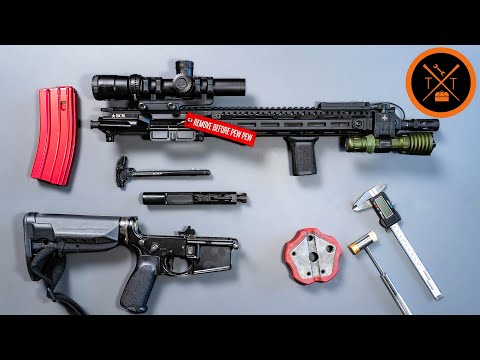
This review of the Palmetto State Armory JAKL highlights its AK/AR-15 hybrid design, featuring a reliable long-stroke piston system and a versatile 4-position adjustable gas block. The JAKL is available in 5.56 NATO and .300 Blackout, with a monolithic upper receiver offering increased rigidity. Despite some heat buildup and front-heavy characteristics, its performance and price point make it a compelling option.

Quick Summary

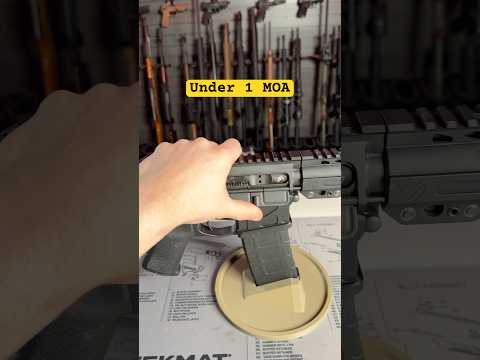
The PSA JAKL is an AK/AR-15 hybrid rifle featuring a reliable long-stroke piston system and a 4-position adjustable gas block. Available in 5.56 NATO and .300 Blackout, it boasts a monolithic upper receiver for rigidity and offers accuracy between 1.5-3 MOA with zero malfunctions over 650 rounds.

Chapters

  1. 00:00Introduction to the PSA JAKL
  2. 00:52Variants and Calibers
  3. 01:16Technical Specifications and Materials
  4. 02:05Piston System Comparison
  5. 04:33Adjustable Gas System
  6. 05:50Market Comparisons
  7. 07:12Modularity and Proprietary Parts
  8. 08:51Range Performance and Accuracy
  9. 14:36Pros and Cons Summary

Frequently Asked Questions

What makes the PSA JAKL an AK/AR-15 hybrid?

The PSA JAKL is considered an AK/AR-15 hybrid because it incorporates a long-stroke piston system, similar to AK platforms, while retaining the ergonomic features and modularity characteristic of the AR-15 platform.

What are the available calibers and barrel lengths for the PSA JAKL?

The PSA JAKL is currently offered in 5.56 NATO with a 10.5-inch barrel and in .300 Blackout with an 8.5-inch barrel, providing options for different tactical applications.

How does the PSA JAKL's piston system compare to others like the SCAR or BRN-180S?

The JAKL features a long-stroke piston system, known for its reliability due to higher momentum, distinguishing it from short-stroke systems found in firearms like the FN SCAR and Brownells BRN-180S.

What are the key pros and cons of the PSA JAKL?

Pros include its monolithic upper receiver, competitive price point around $1000, and modularity. Cons involve significant heat buildup in the handguard, potential brace flex, and a front-heavy balance compared to some competitors.

Related News

All News →

More Reviews Videos You Might Like

More from Tactical Toolbox

View all →