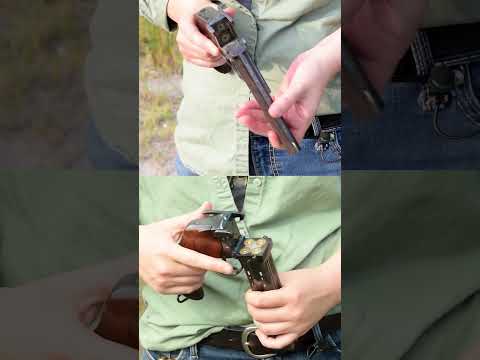
Minute of Mae: German Reichsrevolver M1883

Published on March 18, 2021
Duration: 1:01

This expert review of the German Reichsrevolver M1883, presented by C&Rsenal's Mae, details its historical context and operational characteristics. The video highlights its 10.6mm black powder caliber, gate-loaded cylinder, and single-action mechanism. It also covers practical aspects like its weight, length, safety lever, grip ergonomics, and the unique method of spent casing ejection using a stick. The assessment concludes it's a historical artifact rather than a modern defensive tool.

Quick Summary

The German Reichsrevolver M1883 is a historical firearm weighing 2.1 lbs with a 10-inch length, chambered in 10.6mm black powder. It features a gate-loaded cylinder and a single-action mechanism. Ergonomic considerations include a stiff safety lever and the need for a firm grip to avoid knuckle strikes during recoil.

Chapters

  1. 00:00Introduction and Physical Specs
  2. 00:15Loading and Trigger
  3. 00:23Safety and Hammer
  4. 00:31Grip and Ergonomics
  5. 00:40Recoil, Sights, and Ejection
  6. 00:50Final Assessment

Frequently Asked Questions

What are the key physical dimensions of the German Reichsrevolver M1883?

The German Reichsrevolver M1883 weighs approximately 2.1 pounds and has an overall length of 10 inches. These dimensions provide context for its handling characteristics and historical role.

How is the German Reichsrevolver M1883 loaded and what caliber does it use?

The Reichsrevolver M1883 uses a gate-loaded system and is chambered for the 10.6mm black powder cartridge. This method was common for revolvers of its era.

What are the notable ergonomic and safety features of the Reichsrevolver M1883?

It features a more compact, steeply angled grip. However, the safety lever can be stiff and may strike the shooter's knuckle during recoil, necessitating a firm grip.

Does the Reichsrevolver M1883 have an integrated casing ejector?

No, the Reichsrevolver M1883 does not have a built-in ejector. Spent casings must be manually removed from the cylinder, typically using a separate stick or dowel.

More Reviews Videos You Might Like

More from C&Rsenal

View all →