Mud Test: The WW1 & WW2 Type 38 Arisaka

Published on August 29, 2016
Duration: 10:54

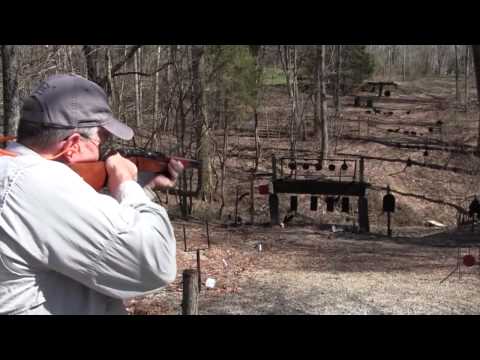
This mud test evaluates the effectiveness of the Type 38 Arisaka's sliding dust cover. While initial tests showed mud ingress through gas vents causing failures, plugging these vents simulated field conditions and proved the dust cover's reliability. The video also explains why many Arisakas lack dust covers today, attributing it to souvenir collection by GIs after WWII.

Quick Summary

The Type 38 Arisaka's sliding dust cover is effective in mud tests, especially when gas vent holes are also obstructed. Initial tests showed mud ingress through vents caused failures, but plugging them simulated field conditions and proved the dust cover's reliability.

Chapters

  1. 00:00Introduction: Type 38 Arisaka Mud Test
  2. 00:30Test Procedure & Rifle Comparison
  3. 02:12First Mud Test Failure & Analysis
  4. 06:08Second Test: Dust Cover Success
  5. 07:54Conclusion & Historical Context

Frequently Asked Questions

How effective is the Type 38 Arisaka's dust cover in a mud test?

The Type 38 Arisaka's sliding dust cover proved effective in a mud test when gas vent holes were also obstructed. Initially, mud ingress through these vents caused failures, but after simulating field conditions by plugging them, the dust cover successfully protected the action.

Why are many WW1 and WW2 Arisaka rifles missing their dust covers?

Many Arisaka rifles lack their original dust covers because American soldiers often removed them as souvenirs after World War II. These covers were frequently separated from the rifles when the bolts were taken out during transport back to the US.

Can mud affect the Type 38 Arisaka's bolt operation?

Yes, mud can affect the Type 38 Arisaka's bolt operation. In testing, mud entered the locking lug recesses through the receiver's gas vent holes, causing the rifle to struggle to lock into battery after the first round.

More Reviews Videos You Might Like

More from InRangeTV

View all →