Reprocussion 006: Colt Pocket Pistols

Published on January 10, 2023
Duration: 93:35

This video provides an in-depth look at the Colt Pocket Pistol, tracing its evolution from the 'Baby Dragoon' to the Model 1849. It details design changes, manufacturing processes, and its historical significance, particularly during Westward Expansion. The presenter emphasizes its role as a compact, affordable personal defense firearm and discusses its market success and various iterations.

Quick Summary

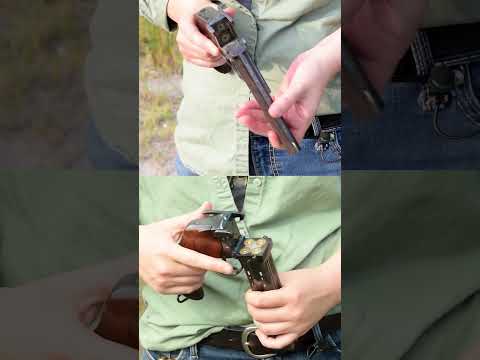
The Colt Pocket Pistol, evolving from the 'Baby Dragoon' to the Model 1849, fired .31 caliber rounds and was prized for its compact size and affordability, making it a popular personal defense firearm during Westward Expansion. Loading typically required disassembly, and safe transport involved lowering the hammer onto a safety nipple.

Chapters

  1. 00:00Introduction: Colt's Old Model Improved Pocket Pistol
  2. 00:27Physical Specifications and Caliber
  3. 00:48Appraisal and Pricing Disclaimer
  4. 01:44Black Powder Maintenance: Ballistol and Moose Milk
  5. 02:42Series Overview: Colt's Early Revolvers
  6. 03:56Shift to Civilian Market: The Need for a Pocket Pistol
  7. 05:03Early Correspondence and Production Timelines
  8. 06:05Manufacturing: Whitneyville to Hartford
  9. 07:16Early Pocket Pistol Design: Cost-Saving Measures
  10. 08:02Barrel Lengths and Weight
  11. 08:16Evolution of Features: Mainspring, Grips, and Furniture
  12. 09:04Collector Terminology: 'Baby Dragoon'
  13. 09:19Cylinder Details: Stops and Engraving
  14. 10:05Reproduction Comparison: Baby Dragoon vs. Dragoon
  15. 11:23Reproduction Analysis: Loading Arm and Barrel Wedge
  16. 11:47Action Type and Safety Features
  17. 12:00Loading Procedure: Disassembly Required
  18. 13:23Cylinder Engraving and Markings
  19. 14:14Safety Nipple Functionality
  20. 15:48Key Features: Square Back Trigger Guard
  21. 16:30Colt's Branding and Barrel Markings
  22. 17:06Promise of Pocket and Belt Models
  23. 17:27Colt's European Expedition and Business Decisions
  24. 18:19Production Focus: 1848-1850
  25. 18:34Pocket Pistol's Longevity and Popularity
  26. 19:18Evolutionary Stages: Baby Dragoon to Model 1848
  27. 19:47Serial Number Based Changes: Cap Groove, Barrel Marking, Cylinder Stops
  28. 20:13Engraving Change: Stagecoach Holdup
  29. 20:25Later Changes: Safety Pins, Mainspring, Loading Levers
  30. 21:05Factory Relocation: Grove Lane Expansion
  31. 22:13Further Refinements: Loading Ramrod and Frame Lengthening
  32. 22:44Model 1849 Defining Feature: Round Back Trigger Guard
  33. 23:02Grease Groove Feature
  34. 23:39Colt Factory Expansion: South Meadows
  35. 24:02Uberti Reproduction: Model 1849 Pocket Pistol
  36. 24:26Key Distinguishing Features: Barrel Length and Trigger Guard
  37. 25:04Significant Change: Cylinder Gap and Loading Assembly
  38. 25:59Loading and Capping Process
  39. 27:21Uberti Reproduction Issues: Double Engraving and Safety Pins
  40. 28:01Cutaway for Bullets and Bullet Molds
  41. 28:23Included Accessories: Flask and Wrench
  42. 28:48Shooting Demonstration
  43. 30:01Ammunition Options: Round Ball vs. Bullet
  44. 30:53Accuracy Test at 95 Yards
  45. 31:13Recommendation: Era's Gone Bullet Molds
  46. 31:41Early Sales and Westward Expansion
  47. 33:33Market Price and Cost Comparison
  48. 34:01Competition: Pepperbox Pistols
  49. 34:45California Sales Agent: Major Amos B. Eaton
  50. 36:04Wells Fargo and the 'Wells Fargo Model'
  51. 37:39Evolution Summary and London Production
  52. 37:53Establishing an English Factory: Challenges and Features
  53. 39:07London vs. US Production: Trigger Guard Materials
  54. 40:13Barrel Marking Changes: New York vs. Hartford Address
  55. 41:30Introduction of the Root Side Hammer (New Model Pocket Pistol)
  56. 42:02Optional Six-Shot Cylinder
  57. 42:45Impact of the US Civil War on Production
  58. 43:40US Government Purchases During the War
  59. 44:24The Pocket Navy: 36 Caliber on a Pocket Frame
  60. 45:33Pocket Navy Reproduction and Specifications
  61. 46:02Pocket Navy vs. Old Model Pocket Comparison
  62. 48:55Pocket Navy Shooting Demonstration
  63. 49:45Pocket Police and Successor Models
  64. 50:01US Navy Contracts and Markings
  65. 51:57Samuel Colt's Passing and Factory Fire
  66. 52:19Continued Production and Replacement Models
  67. 52:42Shift to Cartridge Firearms and Colt's Lag
  68. 53:07Cartridge Conversion Systems
  69. 53:52Last Recorded Sales and Production Numbers
  70. 55:25Mystery Feature: Recoil Shield Modification
  71. 56:10May's Opinion: Pocket Pistols vs. Larger Models
  72. 57:40Evolutionary Path: Patterson to 1851 Navy
  73. 58:00Size Progression vs. Historical Timeline
  74. 59:18Ergonomics and Carryability: Baby Dragoon vs. Larger Models
  75. 60:14Barrel Length Variations and Loading Implications
  76. 60:44Safety Features: Half-Cock vs. Safety Nipple
  77. 61:41Caliber Comparison: 31 vs. 36
  78. 62:39Shooting Impressions: Power and Accuracy
  79. 63:39Lethality of 31 Caliber in Historical Context
  80. 64:01Price and Affordability Considerations
  81. 65:08Ergonomic Feel and Trigger Placement
  82. 66:17Loading Off-Gun vs. On-Gun
  83. 67:37Uberti Reproduction Quality and Features
  84. 68:27Cylinder Engraving Flaw on Uberti
  85. 68:43Hammer Manipulation and Grip Fit
  86. 69:58Conclusion: The Enduring Legacy of the Pocket Pistol

Frequently Asked Questions

What are the key differences between the Colt Baby Dragoon and the Colt Model 1849 Pocket Pistol?

The Colt Baby Dragoon, an early version, typically lacked a loading ramrod and had a straight-back trigger guard. The Model 1849 evolved to include a loading ramrod, a lengthened frame for easier loading, and a round-back trigger guard, making it more practical for everyday carry and use.

What caliber ball or bullet does the Colt Pocket Pistol fire?

The Colt Pocket Pistol primarily fires a .31 caliber ball or bullet. Some later variants, like the Pocket Navy, were adapted to fire .36 caliber rounds while retaining the pocket-sized frame.

How was the Colt Pocket Pistol loaded and made safe for transport?

Loading typically involved disassembling the cylinder from the frame to insert powder and ball. For safe transport, the hammer was lowered onto a designated safety nipple or between chambers, not the half-cock notch, to prevent accidental discharge.

What made the Colt Pocket Pistol so successful in the 19th century?

Its success stemmed from its compact size, affordability, and reliability, making it an ideal personal defense firearm for civilians during periods of expansion and instability like Westward Expansion and the Civil War.

More Reviews Videos You Might Like

More from C&Rsenal

View all →