Schofield Revolver by Uberti

Published on December 31, 2013
Duration: 22:31

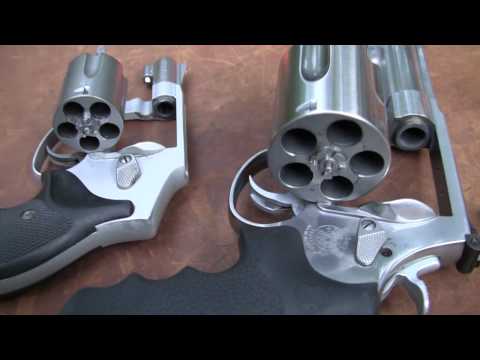
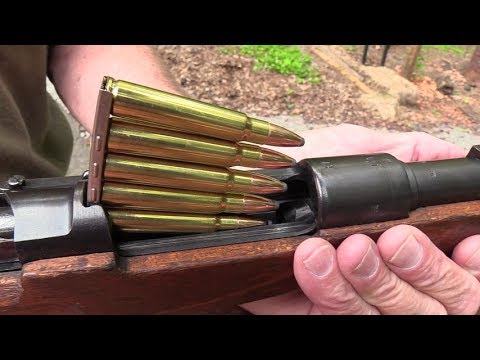
This comprehensive review of the Uberti Schofield Revolver, presented by Hickok45, delves into its historical significance as a replica of the Smith & Wesson Model 3. The guide details the unique top-break action, its comparison to the Colt Single Action Army, and the critical .45 caliber ammunition logistics issue faced by the military. Hickok45's expert assessment highlights the firearm's mechanical design and historical context.

Quick Summary

The Uberti Schofield Revolver, a replica of the Smith & Wesson Model 3, boasts a unique top-break action with a frame-mounted latch for one-handed operation, ideal for cavalry. It simultaneously ejects all six rounds, offering a faster reload than the Colt SAA. However, its cylinder's inability to chamber the standard .45 Colt round created historical logistical issues, contributing to the Colt SAA's eventual market dominance due to simpler design and ammo compatibility.

Chapters

  1. 00:00Introduction to the Uberti Schofield
  2. 01:13Top-Break Mechanism and Latch Design
  3. 02:40Comparison with Colt Single Action Army
  4. 05:19Cartridge Evolution and History
  5. 07:45The .45 Caliber Logistics Issue
  6. 11:20Accuracy and Range Testing
  7. 13:05Market Dominance and Legacy

Frequently Asked Questions

What is the main advantage of the Schofield revolver's top-break action?

The Schofield revolver's top-break action features a unique latch design, allowing for one-handed operation, which was particularly beneficial for cavalry soldiers needing to reload quickly while on horseback.

Why did the Colt Single Action Army become more popular than the Schofield revolver?

Despite the Schofield's faster reloading capability, the Colt Single Action Army's simpler design and its ability to fire the standard .45 Colt cartridge (unlike the Schofield) made it more practical and versatile for the frontier, leading to its greater market success.

What historical ammunition problem did the Schofield revolver face?

The Schofield revolver's cylinder was too short to chamber the standard .45 Colt round. While it could fire the shorter .45 Schofield round, this incompatibility created significant logistical issues for the U.S. Army's ammunition supply chain.

How does the Schofield's ejection system differ from the Colt SAA?

The Schofield revolver utilizes a top-break action that simultaneously ejects all six spent casings when opened. In contrast, the Colt Single Action Army requires manual ejection of each casing using its ejector rod after firing.

More Reviews Videos You Might Like

More from hickok45

View all →