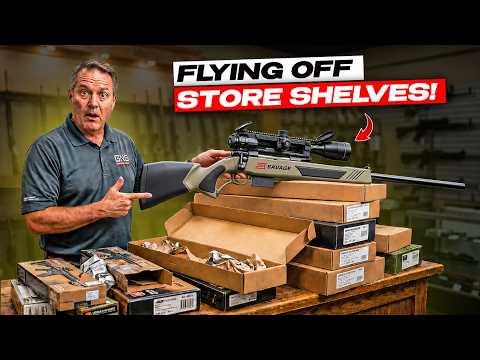
The Truth About Wolf Ammo

Published on September 12, 2011
Duration: 7:37

This review debunks common myths surrounding Wolf steel-cased ammunition, particularly its impact on modern rifles. It clarifies that polymer-coated Wolf ammo is generally safe for firearms like the AR-15, with issues often stemming from rifle timing or over-gassing rather than the ammo itself. While not match-grade, it's deemed a viable budget option for high-volume training, provided users test for extractor marks.

Quick Summary

Modern Wolf ammunition, often polymer-coated, is generally safe for rifles like the AR-15. Extraction issues are usually due to rifle timing or over-gassing, not the steel case itself. Bimetal bullets in Wolf ammo can cause range restrictions due to backstop damage and sparks.

Chapters

  1. 00:00Intro: Wolf Ammo Myths & Reality
  2. 00:51Myth: Wolf Ammo Damages Rifles (Coating)
  3. 01:45Myth: Steel Cases Destroy Extractors (Test)
  4. 02:52Real Issues: Extraction & Rifle Timing
  5. 03:53Chamber Buildup Explained (Carbon vs Lacquer)
  6. 04:49Bimetal Bullets & Range Restrictions
  7. 05:39Accuracy: Wolf for Training vs Precision
  8. 06:39Conclusion: Is Wolf Ammo Worth It?

Frequently Asked Questions

Does Wolf ammunition damage modern rifles?

Modern Wolf ammunition, typically polymer-coated, is generally safe for most modern rifles like the AR-15. Issues previously blamed on lacquer coatings are now understood to be related to rifle timing, gas system over-pressure, or carbon buildup, not the ammo itself.

Can steel-cased ammo like Wolf cause extractor wear?

The claim that steel cases destroy extractors is largely a myth. Testing with high-round count firearms shows that original extractors remain functional after extensive use with Wolf ammunition, suggesting extractor wear is not a primary concern.

Why do some ranges ban Wolf ammunition?

Wolf ammunition often uses bimetal bullets, meaning they have a steel core with a copper jacket. This steel content can damage indoor range backstops and potentially create sparks, posing a fire hazard with accumulated powder residue.

What are the main causes of extraction failures with steel-cased ammo?

Extraction failures are typically caused by the rifle's mechanics, such as improper timing or an over-gassed system, especially in short-barreled rifles. Steel cases don't cool as fast as brass, and early bolt unlocking can lead to extraction problems.

Related News

All News →

More Reviews Videos You Might Like

More from Military Arms Channel

View all →