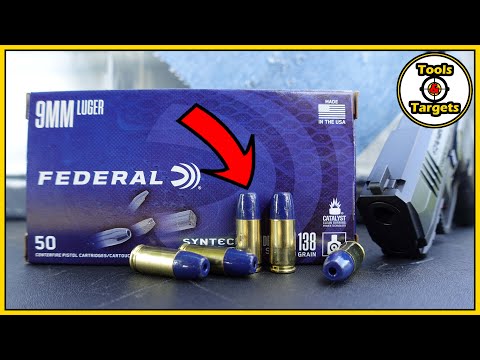
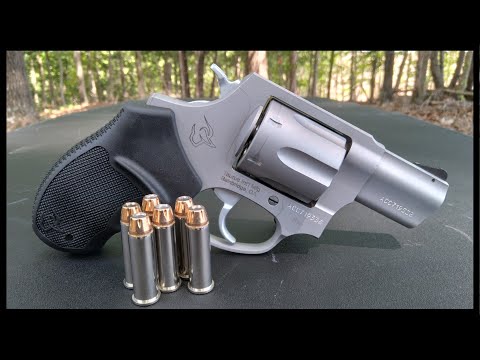
WEAK Perfection?...10MM Norma Safeguard Self-Defense AMMO Ballistic Gel Test!

Published on January 18, 2026
Duration: 12:30

This video provides an expert-level ballistic gel test of Norma Safeguard 10MM Auto ammunition, featuring detailed analysis from a seasoned firearms instructor. The test compares performance from Glock 20 and Glock 29 pistols, highlighting velocity differences due to barrel length and evaluating terminal ballistics like penetration and expansion. The instructor notes that while the ammunition demonstrates excellent expansion, its energy levels are considered low for the 10MM caliber, leading to a 'Weak Perfection' assessment.

Quick Summary

Expert ballistic gel tests show Norma Safeguard 10MM Auto 180gr JHP achieves excellent expansion and 16-17.5 inches of penetration from Glock 20/29. Velocities averaged 1177 fps (G20) and 1133 fps (G29), lower than advertised. While terminal performance is good, energy levels are considered moderate for 10MM.

Chapters

  1. 00:00Introduction and Setup
  2. 00:49Ammunition Overview
  3. 02:00Test Firearms
  4. 02:28Velocity Testing: Glock 20
  5. 04:04Velocity Testing: Glock 29
  6. 05:15Ballistic Gel Testing
  7. 06:20Gel Analysis
  8. 08:55Projectile Recovery
  9. 10:09Final Assessment

Frequently Asked Questions

How did the Norma Safeguard 10MM Auto perform in ballistic gel tests?

The Norma Safeguard 10MM Auto 180gr JHP demonstrated excellent terminal ballistics, achieving significant expansion and adequate penetration (16-17.5 inches) in ballistic gel with a heavy clothing barrier, indicating reliable performance for self-defense.

What is the difference in velocity between the Glock 20 and Glock 29 when firing Norma Safeguard 10MM Auto?

The Glock 20 (4.6-inch barrel) averaged 1177 fps, while the Glock 29 (3.8-inch barrel) averaged 1133 fps. This 44 fps difference highlights how shorter barrels reduce muzzle velocity for the same ammunition.

Is Norma Safeguard 10MM Auto considered a high-energy load?

While the ammunition performed well in terms of expansion and penetration, the measured muzzle energy (around 513-554 ft-lb) was considered lower than typical for the 10MM caliber by the expert reviewer, leading to the 'Weak Perfection' label.

What factors influence the terminal ballistics of 10MM ammunition?

Key factors include bullet design (JHP for expansion), firearm barrel length (affecting velocity), and the specific ammunition load's velocity and weight. Testing in ballistic gel with barriers provides real-world performance data.

Related News

All News →

More Reviews Videos You Might Like

More from Tools&Targets

View all →