Winchester Model 1895

Published on November 24, 2013
Duration: 15:20

This review of the Winchester Model 1895, presented by hickok45, offers a deep dive into John Browning's final lever-action design for Winchester. The video highlights the rifle's unique box magazine, which accommodates pointed bullets, and its historical significance, including its use by Teddy Roosevelt. hickok45's high authority level and detailed knowledge provide valuable insights into the rifle's operation and legacy.

Quick Summary

The Winchester Model 1895, John Browning's final lever-action design for Winchester, features a unique box magazine enabling the safe use of pointed bullets. Historically significant, it was favored by Teddy Roosevelt for hunting and saw service with law enforcement. Bolt-action rifles eventually surpassed it in some applications due to easier cycling from prone positions.

Chapters

  1. 00:00Introduction to the Winchester 1895
  2. 01:01Calibers and Historical Significance
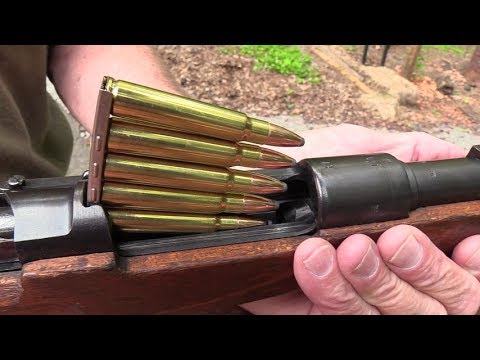
  3. 02:16Magazine Design and Loading
  4. 03:41Historical Usage and Military Transition

Frequently Asked Questions

What makes the Winchester Model 1895 unique among lever-action rifles?

The Winchester Model 1895 is distinguished by its internal box magazine, designed by John Browning. This feature allows for the safe use of pointed bullets, unlike traditional lever-action rifles with tubular magazines, which are limited to round-nose or flat-point ammunition.

Why was the Winchester Model 1895 historically significant?

It was the final lever-action rifle designed by John Browning for Winchester and was famously adopted by Teddy Roosevelt as his 'Big Medicine' for hunting. It also saw use by law enforcement agencies like the Texas Rangers.

What are the advantages and disadvantages of the Winchester Model 1895's box magazine?

The primary advantage is the ability to use pointed bullets for better ballistic performance. A potential disadvantage is a loading process that can be perceived as more awkward than other lever-action designs.

Why did bolt-action rifles eventually replace lever-action rifles like the Model 1895 in some roles?

Bolt-action rifles offered advantages in ease of operation, particularly from a prone shooting position, which became more critical in military contexts. They were also often simpler to manufacture and maintain for large-scale production.

More Reviews Videos You Might Like

More from hickok45

View all →