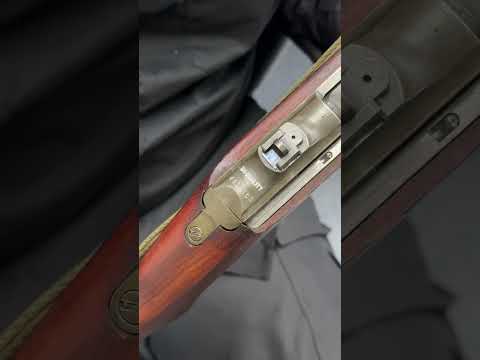
WW2 Gun Production | The Beginning vs. The End (Part 2)

Published on January 6, 2023
Duration: 22:17

This video details production changes in various WWII firearms from early war to late war, focusing on aesthetic and material differences. It covers the Walther PP/PPK, FN Browning High Power, Russian Nagant and Tokarev, and Japanese Nambu Type 94 and Type 14 pistols. Key observations include shifts from high-polish to dull finishes, use of less refined materials, changes in grip types (wood to plastic), and modifications to safeties and sights, all driven by wartime production demands and material shortages.


Quick Summary

Late-war production of WWII firearms saw significant changes driven by material shortages and the need for increased output. This included shifts from high-polish to dull finishes, the use of less refined materials like cracked or wooden grips, and modifications to safeties and sights. Examples include the Walther PP's 60-degree safety, the FN High Power's fixed sights, and the Nambu Type 94's notorious 'suicide gun' flaw.

Chapters

  1. 00:00Introduction: WWII Gun Production Changes
  2. 00:43Walther PP and PPK: Early vs. Late War
  3. 01:03Walther PP Safety and Grip Differences
  4. 01:38Walther PP Finish and Proof Marks
  5. 01:59Walther PP Cracked Grips and Wooden Grips
  6. 02:25Walther PP Magazine Differences
  7. 02:51Walther PPK Production and Military Preference
  8. 03:49FN Browning High Power: Early vs. Late Production
  9. 04:07FN Browning High Power Sights and Grips
  10. 04:41Russian Nagant Revolver
  11. 05:40Tokarev TT-33: Early vs. Late War
  12. 06:43Tokarev Takedown and Finish Changes
  13. 07:15Japanese Nambu Pistols: Quality and Design Issues
  14. 07:44Nambu Type 94: The 'Suicide Gun'
  15. 08:50Nambu Type 94 Late War Production
  16. 09:54Nambu Type 14 Early vs. Late Production
  17. 10:44Nambu Firing Pin Weakness and Maintenance
  18. 11:28Nambu Cocking Knob and Takedown Differences
  19. 12:28Conclusion: WWII Production Changes Recap

Frequently Asked Questions

What were the main production changes observed in late-war Walther PP pistols?

Late-war Walther PP pistols, particularly those from 1945, often featured a dull military finish instead of the earlier high-polish one. The Walther banner logo was sometimes omitted, and a 60-degree safety replaced the 90-degree version to prevent grip interference. Material shortages also led to issues like cracked grips and less refined metalwork.

How did the FN Browning High Power production evolve during WWII?

Early FN Browning High Power production (first 1-2000 units) included a slotted frame for a stock lug, a feature removed by the Third Reich. Later production saw a shift from adjustable tangent sights to fixed sights and a transition from wood to plastic grips, reflecting wartime production pressures.

What are the key differences between early and late war Tokarev TT-33 pistols?

Early Tokarev TT-33 pistols typically had a high-polish finish. By the later war years, production shifted to a duller finish, and wooden grips became standard, mirroring trends seen in German wartime firearm manufacturing. The overall machining quality also tended to decrease.

What safety concerns are associated with the Japanese Nambu Type 94 pistol?

The Nambu Type 94 earned the nickname 'suicide gun' due to a critical design flaw. The holster's retention button could inadvertently press against the pistol's mechanism, causing it to fire without the trigger being pulled. This made it notoriously unsafe for carry.

What are common issues to check when buying a Nambu pistol?

When purchasing a Nambu pistol, it's crucial to check if the firing pin is intact, as they are prone to breaking. Additionally, verify that the serial numbers on the magazines match the firearm, as mismatched parts indicate a lower-quality or improperly maintained weapon. The ease of magazine removal is also a key indicator of its condition.

Related News

All News →

More Reviews Videos You Might Like

More from Legacy Collectibles

View all →