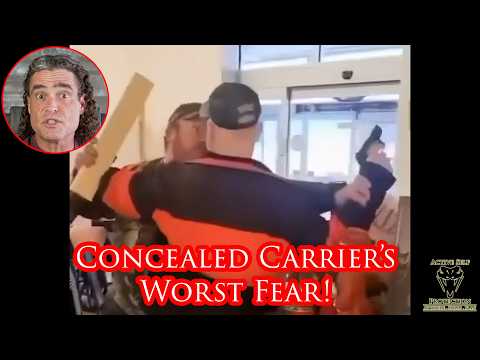
Armed Victim Demonstrates Perfect Armed Robbery Defense | Active Self Protection

Published on December 19, 2016
Duration: 2:48

This guide outlines a defensive strategy for surviving an armed robbery, drawing from the analysis by John Correia of Active Self Protection. It emphasizes critical principles such as maintaining high situational awareness, waiting for the optimal moment to act, executing a smooth firearm draw, employing a safe shooting position in close quarters, and performing necessary follow-up actions like disarming the assailant. The instruction highlights the importance of decisive action and tactical awareness in high-stress encounters.

Quick Summary

John Correia of Active Self Protection emphasizes three core principles for surviving armed robberies: waiting your turn, acting definitively, and taking appropriate follow-up actions. Key tactics include maintaining situational awareness in transitional spaces, drawing your firearm only when tactically advantageous, using a compressed ready position in close quarters, and checking for accomplices post-engagement.

Chapters

  1. 00:00Introduction to Survival Principles
  2. 00:32Incident Breakdown
  3. 01:02Situational Awareness
  4. 01:21Tactical Execution: Waiting Your Turn
  5. 01:48Shooting Positions and Movement
  6. 02:12Post-Engagement Actions

Frequently Asked Questions

What are the core principles for surviving an armed robbery, according to Active Self Protection?

The core principles for surviving an armed robbery include waiting for the opportune moment to act, acting definitively and decisively, and executing appropriate follow-up actions after the immediate threat is neutralized. These are demonstrated through tactical analysis of real-world incidents.

Why is a 'compressed ready' position recommended over a 'full press out' in close-quarters self-defense?

A 'compressed ready' position is safer in close quarters because it keeps the firearm closer to the body, reducing the attacker's ability to grab the weapon. A 'full press out' extends the firearm further, increasing vulnerability.

How important is situational awareness in defending against armed robbery?

Situational awareness is paramount, especially in transitional spaces like doorways. Noticing the attacker immediately upon their entry provides a critical advantage for a successful defense and allows for timely action.

What follow-up actions are advised after neutralizing an armed robbery threat?

After neutralizing the immediate threat, it's crucial to break tunnel vision by checking for accomplices. If necessary and safe, disarming the attacker is a vital follow-up action if you must remain in the vicinity.

More Self Defense Videos You Might Like

More from Active Self Protection

View all →