Bar Fight Erupts - Threat Ended

Published on August 23, 2024
Duration: 22:09

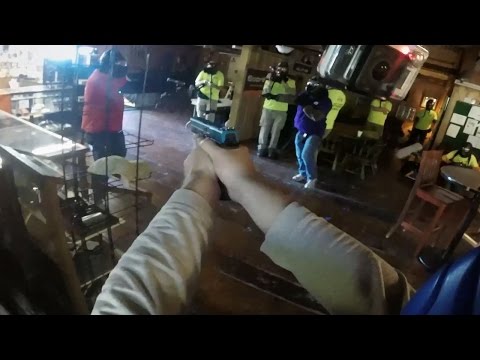
This video demonstrates a self-defense scenario in a bar setting, focusing on de-escalation techniques and threat assessment when confronted by an armed attacker. The participant, David, a former law enforcement officer, navigates a tense situation involving his son and an individual who brandishes a knife. The analysis highlights the importance of reading an attacker's intent through body language and facial expressions, the decision-making process for drawing a firearm, and the critical need for situational awareness, including backstop considerations. Expert commentary from John Korea of Active Self Protection provides insights into tactical decision-making and potential areas for improvement.

Quick Summary

In a self-defense scenario, assessing an attacker's intent is vital, using their facial expression, tone, and body language. Critical tactical considerations include maintaining backstop awareness to prevent collateral damage and using clear, positive verbal commands like 'Get back' for de-escalation. In close quarters, retaining your firearm with a compressed ready position and understanding how to avoid the gun going out of battery are key.

Chapters

  1. 00:00Introduction: Guns and Alcohol
  2. 00:14First Person Defender Scenario Setup
  3. 01:10The Confrontation Begins
  4. 02:04Knife Revealed: Escalation
  5. 03:21David's Account: Reaching for Firearm
  6. 03:53Decision to Draw Firearm
  7. 04:14Assessing Intent: Why Not Shoot?
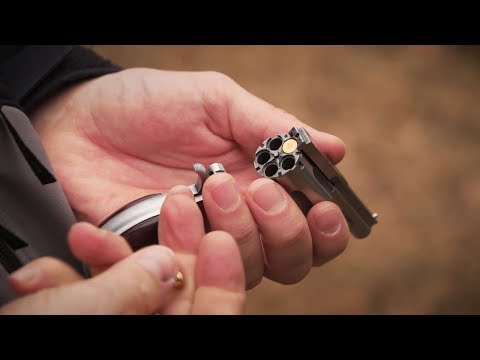
  8. 06:19On the Range: HK VP9 SK Review
  9. 07:13Expert Analysis: Backstop Concerns
  10. 08:04Safe Backstop Demonstration
  11. 10:11Practicing Safe Backstop Positioning
  12. 11:01Reading Intent: The Eyes
  13. 11:24Effective Verbal Commands
  14. 11:47Close Quarters Firearm Retention
  15. 13:17HK 416 in .22 LR for Training
  16. 14:05Close Quarters Shooting Techniques
  17. 16:13Ramped Up Scenario: Second Test
  18. 17:23David's Account: Second Scenario
  19. 19:43Analysis: Escalation to Lethal Force
  20. 20:24Scenario Outcome and Choices
  21. 20:45Camera Angles and Articulation
  22. 21:21Post-Incident Firearm Check
  23. 21:59More Gun Talk Content

Frequently Asked Questions

What are the key indicators of an attacker's intent in a self-defense situation?

According to experts, an attacker's intent can be gauged by their facial expression, tone of voice, and body language. Look for escalating aggression, forward movement, and changes in their eyes. These non-verbal cues are critical for assessing the immediate threat level and deciding on a course of action.

What is the importance of backstop awareness when deploying a firearm?

Backstop awareness is paramount in firearm deployment. It means understanding what lies behind your target to prevent unintended casualties. Before drawing or firing, assess your surroundings to ensure a safe backstop, minimizing the risk of ricochets or hitting bystanders.

How can effective verbal commands de-escalate a confrontation?

Effective verbal commands are clear, simple, and positive. Instead of saying 'Don't come closer,' which can be misconstrued, use commands like 'Get back.' This directs the aggressor's actions clearly and can help de-escalate the situation without resorting to physical force.

What tactical considerations are important in close-quarters firearm encounters?

In close-quarters, maintaining control of your firearm is crucial. Using a compressed or low-ready position can help retain your weapon and allow for quick engagement. If you must fire at very close range, slightly pushing the muzzle away and pulling back can prevent the gun from going out of battery.

Related News

All News →

More Self Defense Videos You Might Like

More from Gun Talk Media

View all →