Bourbon Street Terrorism Breakdown

Published on January 3, 2025
Duration: 33:39

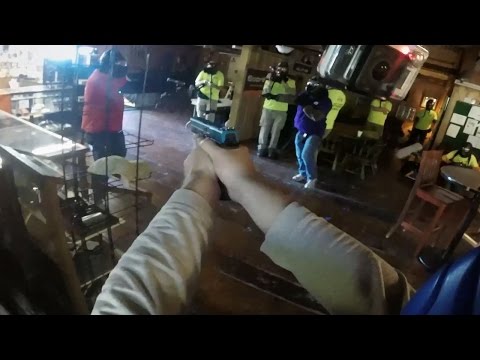
This video emphasizes the critical importance of situational awareness and proactive avoidance in preventing oneself from becoming a victim. Instructors Chris Serino and Ryan Gresham discuss the recent Bourbon Street incident, highlighting how large crowds and popular locations can become targets. They advocate for developing a mindset of constant vigilance, looking for anomalies, and prioritizing escape over engagement, even for trained individuals.

Quick Summary

Experts stress that situational awareness and avoidance are paramount for personal safety, especially in crowded areas and at night. They advise looking for anomalies, mentally rehearsing escape plans, and prioritizing escape over confrontation. Firearms are considered a last resort, with avoidance being the primary strategy.

Chapters

  1. 00:00Introduction & Bourbon Street Incident Overview
  2. 01:16Chris Serino's Background & Expertise
  3. 02:27Context: New Orleans & Las Vegas Incidents
  4. 03:30Bourbon Street Attack Details
  5. 04:50Rule #1: Don't Be There & Awareness
  6. 07:02Attacker's Timing & Logic
  7. 07:49New Orleans Gun Restrictions & Crime
  8. 08:54Civilian Response in Active Threats
  9. 10:01The Unlucky Guy & Perceptiveness
  10. 10:33Consequences of Engaging a Moving Threat
  11. 11:14The Dilemma of Pre-emptive Action
  12. 11:56Crowded Events as Targets
  13. 13:11Thinking Like a Criminal to Avoid Victimhood
  14. 13:33Book Recommendation: The Unthinkable
  15. 14:19Book Recommendation: Left of Bang
  16. 14:37Identifying Anomalies in Routine
  17. 15:16Human Instinct to Disbelieve Danger
  18. 15:26Fire Alarm Analogy & Exit Strategy
  19. 16:10Stories of Lack of Preparation
  20. 16:34Highway Blowout Scenario & Mental Rehearsal
  21. 19:22Does This Change Everyday Carry (EDC)?
  22. 19:57Flashlight Importance in Dark Environments
  23. 20:27Escape Strategy: Avoid the Front Door
  24. 20:51Carrying Spare Magazines
  25. 21:26Flashlight Utility Beyond Darkness
  26. 22:00Expectations for Shooting Proficiency
  27. 23:13Chris's Training Philosophy
  28. 23:29Avoidance is Number One
  29. 24:05Role of Law Enforcement vs. Civilian
  30. 24:33Bourbon Street Security Pre-Incident
  31. 25:38Personal Safety as Self-Responsibility
  32. 26:07Preparedness for Rescue
  33. 26:35Resist Filming, Prioritize Escape
  34. 27:15Balcony Safety & Extreme Threats
  35. 27:28Knowing When to Act vs. Escape
  36. 27:40Intention to Avoid vs. Engage
  37. 28:00Consequences of Every Bullet
  38. 28:28Future Preparedness & Personal Routine
  39. 28:41Avoiding 'Code White' & Hand Observation
  40. 29:29Watching What Can Hurt You
  41. 29:45Personal Preparedness Levels
  42. 30:14Perception & Avoidance as Tools
  43. 30:29Awareness & The Role of Guns
  44. 30:53Comfort Food Training vs. Real Performance
  45. 31:39Chris's Training Philosophy & Fundamentals
  46. 32:02Training Gunslingers & Post-Class Shootings
  47. 32:25Hearing Instructor's Voice in a Gunfight
  48. 33:03Developing an Internal Voice
  49. 33:21Final Advice: Be Careful, Be Prepared, Train

Frequently Asked Questions

What are the key takeaways from the Bourbon Street incident discussion regarding personal safety?

The primary takeaways emphasize proactive avoidance and heightened situational awareness. Experts stress that crowded locations can be targets and advise against being in such places after dark. Developing a habit of observing surroundings for anomalies and prioritizing escape over confrontation are crucial for self-preservation.

How can individuals improve their preparedness for active threat situations?

Preparedness involves mentally rehearsing escape routes and actions, understanding that large crowds are potential targets, and actively scanning environments for anomalies. It also means resisting the urge to film events and focusing on getting to safety, ideally blocks away from the immediate danger.

What is the recommended mindset for navigating potentially dangerous environments?

The recommended mindset is one of constant vigilance and threat assessment, avoiding complacency ('code white'). It involves looking for deviations from the norm, observing people's hands for intent, and understanding that danger can arise unexpectedly. Prioritizing avoidance and escape is key.

What role does firearms training play in self-defense according to the experts?

While firearms proficiency is important, it's considered a last resort. The experts emphasize that avoidance, situational awareness, and the ability to escape are the primary tools for self-defense. Firearms training should build confidence and fundamentals, but not replace the critical skills of perception and avoidance.

More Self Defense Videos You Might Like

More from Gun Talk Media

View all →