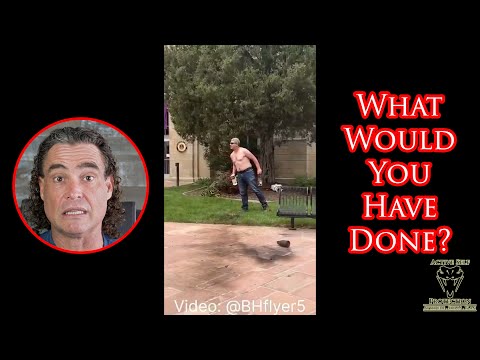
Bystanders Need First Aid Skills to Aid Injured Officer | Active Self Protection

Published on September 8, 2017
Duration: 6:14

This video, presented by John Correia of Active Self Protection, analyzes a critical incident in Estill, South Carolina, where an officer was shot. It stresses the vital importance of bystander first aid skills and emotional support in the immediate aftermath of a deadly force encounter. The analysis highlights the speed of such events and the need for preparedness beyond basic law enforcement response, referencing Tactical Combat Casualty Care (TCCC) principles.

Quick Summary

Bystanders must possess first aid skills and equipment, such as trauma dressings, to aid injured officers in deadly force encounters. Emotional fitness is key to remaining calm and providing effective support. The video references TCCC guidelines for immediate trauma care.

Chapters

  1. 00:00Introduction: Estill, SC Incident Overview
  2. 00:32Officer Smith Responds to Theft Call
  3. 01:32Suspect Draws Handgun, Officer Shot
  4. 03:13Bystander J. Tompkins Provides Support
  5. 04:16Tactical Lessons: First Aid & Emotional Fitness
  6. 05:01Analysis: Speed of Deadly Force Draw

Frequently Asked Questions

What is the primary lesson regarding bystanders in active threat scenarios involving injured officers?

The critical lesson is that bystanders need basic first aid skills and equipment to provide immediate aid to injured officers. They should also be prepared to offer emotional support and remain calm during the crisis until professional help arrives.

How quickly can a deadly force encounter unfold, according to the analysis?

The analysis emphasizes the extreme speed of deadly force encounters. A suspect can produce a firearm and fire it in as little as a tenth of a second, highlighting the need for immediate, decisive action from both officers and bystanders.

What role does emotional fitness play in bystander response?

Emotional fitness is crucial. It means maintaining composure under extreme stress, allowing a bystander to think clearly, provide effective support to the victim, and follow through with necessary actions like calling 911 and administering aid.

What medical principles are recommended for non-medical responders in trauma situations?

The video references Tactical Combat Casualty Care (TCCC) guidelines. These principles focus on life-saving interventions like controlling severe bleeding with direct pressure or tourniquets, even for individuals without formal medical training.

Related News

All News →

More Self Defense Videos You Might Like

More from Active Self Protection

View all →