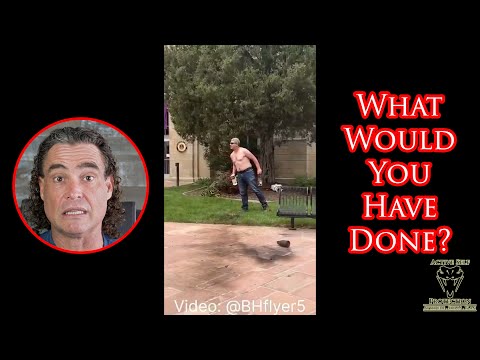
Bystanders Need First Aid Skills to Aid Injured Officer | Active Self Protection

Published on September 8, 2017
Duration: 6:14

This video analyzes an officer-involved shooting where the officer sustained critical injuries. It highlights the extreme speed of deadly force encounters, emphasizing that suspects can draw and fire a handgun in a tenth of a second. The analysis stresses the vital importance of bystander first aid skills and emotional support for injured officers, referencing TCCC guidelines.

Quick Summary

Bystanders require first aid skills, including trauma care like using an Israeli bandage, and emotional fitness to provide support during critical incidents. Encounters can be extremely fast, with suspects drawing firearms in a tenth of a second.

Chapters

  1. 00:00Incident Overview & First Aid Need
  2. 00:32Officer Responds to Theft Call
  3. 01:32Suspect Draws Handgun, Officer Shot
  4. 03:13Bystander Arrives, Lacks First Aid Skills
  5. 04:16Tactical Lessons: First Aid & Emotional Fitness
  6. 05:01Speed of Deadly Force Encounter Analysis

Frequently Asked Questions

What critical skills do bystanders need in officer-involved shootings?

Bystanders need essential first aid skills, including trauma care like using an Israeli bandage to stop bleeding. They also need emotional fitness to provide a calming presence and support to the injured officer until professional medical help arrives.

How fast can a deadly force encounter occur?

Deadly force encounters can happen with extreme speed. In this case, the suspect drew a handgun and fired multiple rounds in approximately a tenth of a second, highlighting the need for immediate preparedness.

Why is emotional fitness important for bystanders during critical incidents?

Emotional fitness allows bystanders to remain calm under pressure, provide effective support to victims, and communicate clearly with emergency services. It ensures they can be a helpful presence rather than a hindrance.

What are the limitations of a taser in certain deadly force situations?

A taser can be ineffective against a suspect who is already drawing a firearm. The speed of the suspect's draw can negate the taser's deployment time, making it a less viable option when facing an immediate deadly threat.

Related News

All News →

More Self Defense Videos You Might Like

More from Active Self Protection

View all →