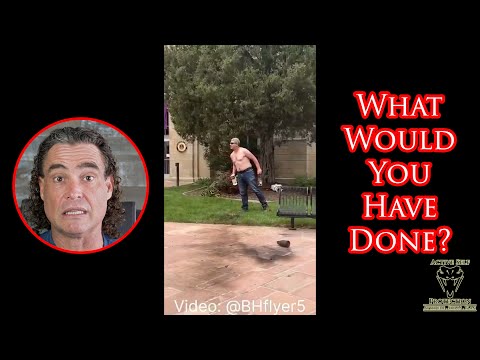
Defender Struggles to Get Fight Stopping Hits During Armed Robbery

Published on November 5, 2025
Duration: 16:35

This analysis from Active Self Protection, featuring John Correia, breaks down a critical incident where a defender struggled to achieve fight-stopping hits during an armed robbery. It emphasizes the necessity of accurate marksmanship with sights at close range, maintaining tactical advantage, and understanding perpetrator behavior. The video highlights the importance of effective shot placement for rapid incapacitation and the role of reliable equipment in self-defense scenarios.

Quick Summary

Focus on delivering 'fight-stopping hits' to the high center chest using sights for critical accuracy at 3-5 yards. Maintain tactical advantage by staying engaged, not retreating passively. Understand that most attackers flee after being shot, requiring a proactive mindset.

Chapters

  1. 00:00Introduction and Sponsorship
  2. 00:46Incident Analysis: Armed Robbery
  3. 02:12Marksmanship and Sights Importance
  4. 03:19Tactical Misdirection and Cover
  5. 05:00Fight-Stopping Hits Explained
  6. 08:24Perpetrator Behavior Analysis
  7. 10:01Equipment and Capacity Discussion
  8. 13:15First Responders and Bystanders

Frequently Asked Questions

What are 'fight-stopping hits' in self-defense?

Fight-stopping hits are accurate shots delivered to the attacker's high center chest, targeting vital organs and major arteries to immediately incapacitate them and end the threat. Peripheral hits are generally insufficient.

Why is using sights important in a close-quarters gunfight?

At distances of 3-5 yards, using sights is critical for accurate marksmanship, ensuring that shots land effectively in vital areas to stop the threat quickly. Relying solely on point shooting can lead to insufficient incapacitation.

What tactical advantage should a defender maintain?

After an initial defensive action, a defender should strive to maintain tactical advantage by staying engaged and actively controlling the situation, rather than retreating to a passive position.

What is the typical behavior of an attacker after being shot?

It is rare for an attacker to move toward the defender after being shot; most will flee. This emphasizes the need for a proactive mindset and readiness to continue engagement if necessary.

Related News

All News →

More Self Defense Videos You Might Like

More from Active Self Protection

View all →