GUNTALK S5: First Person Defender - Power of Observation, Pt 2

Published on September 25, 2015
Duration: 5:19

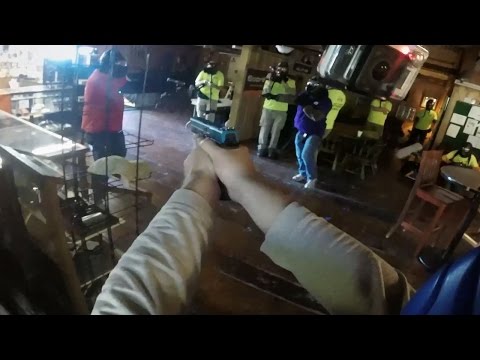
This video demonstrates a critical technique for drawing a concealed firearm, emphasizing the importance of clearing clothing effectively. Instructor West guides Ashley through a 'rip and drop' method to ensure a clean draw, preventing the firearm from snagging. The training progresses from dry practice to live fire, culminating in a realistic self-defense scenario that highlights the application of these skills under pressure.

Quick Summary

The 'rip and drop' technique for drawing a concealed firearm involves aggressively ripping clothing upwards to ensure a clear path for the weapon. This method, taught by experienced instructors, emphasizes drawing the firearm straight up and then punching it directly towards the target, preventing snags and improving deployment speed.

Chapters

  1. 00:14Introduction to Draw Issues
  2. 00:25The Rip and Drop Technique Explained
  3. 00:41Dry Practice Drill
  4. 01:01Transition to Live Fire
  5. 01:35Scenario: Dimly-Lit Parking Lot
  6. 02:11Scenario Execution
  7. 03:07Scenario Debrief and Realism
  8. 03:22Multiple Aggressor Dynamics
  9. 03:57Advice for Women: Practice with Attire
  10. 04:22Performance Analysis and Improvement
  11. 04:47Mindset Shift and Personal Impact

Frequently Asked Questions

What is the 'rip and drop' technique for drawing a concealed firearm?

The 'rip and drop' technique is a method for drawing a concealed firearm that emphasizes aggressively ripping your clothing upwards to clear it completely. This ensures a clean path for the firearm, preventing it from snagging on fabric during the draw stroke.

Why is practicing with everyday attire important for concealed carry?

Practicing with the actual attire you plan to wear for concealed carry is crucial because different clothing types present unique challenges for drawing. What works with a t-shirt might not work with a jacket or suit, and consistent practice builds muscle memory.

How does situational awareness play a role in self-defense scenarios?

Situational awareness is paramount in self-defense. It involves constantly observing your surroundings, identifying potential threats, and tracking their movements. In scenarios with multiple aggressors, maintaining awareness of all individuals is key to effective defense.

What is the recommended draw stroke for a concealed firearm?

The recommended draw stroke involves accessing the weapon straight up from the holster and then punching it straight out towards the target. This direct path minimizes movement and potential points of failure during deployment.

Related News

All News →

More Self Defense Videos You Might Like

More from Gun Talk Media

View all →