Mistaken Identity Leads To Brutal Attempted Murder

Published on April 21, 2015
Duration: 3:31

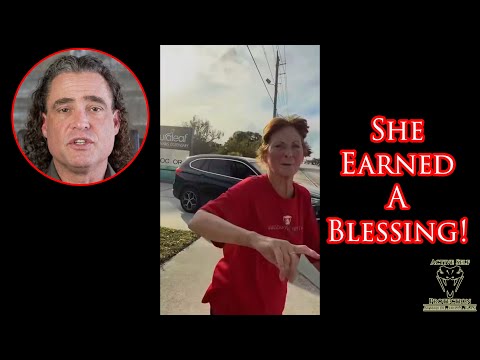
This video from Active Self Protection, featuring John Correia, analyzes a brutal attempted murder stemming from mistaken identity. It highlights the critical distinction between self-defense and vengeance, the sudden emergence of danger, and the legal implications of a deadly force encounter. The analysis also touches on the bystander effect and the ethical considerations for armed citizens witnessing such events.

Quick Summary

John Correia of Active Self Protection analyzes a brutal attempted murder stemming from mistaken identity. Key lessons include distinguishing self-defense from vengeance, recognizing sudden danger, and understanding that group attacks are deadly force encounters. The video also examines the bystander effect and the ethical dilemmas of intervention.

Chapters

  1. 00:00Introduction and Core Lessons
  2. 00:20Incident Overview: Mistaken Identity
  3. 01:23Tactical Analysis of the Attack
  4. 02:33The Bystander Effect and Intervention

Frequently Asked Questions

What are the key lessons from the Active Self Protection video on mistaken identity and attempted murder?

The video emphasizes that self-defense is legitimate, but vengeance is not. It highlights how danger can emerge suddenly and that a group attack constitutes a deadly force encounter, requiring careful consideration of legal and ethical boundaries.

How did mistaken identity lead to the brutal assault in the video?

A group mistakenly identified a homeless man as someone who had harmed a child. They confronted him, exiting their vehicle to immediately launch a violent assault using pepper spray and a hammer.

What weapons were used in the attack, and what were their effects?

Pepper spray was deployed, affecting both the victim and an attacker. A hammer was used by a woman to strike the victim's head, causing severe brain injuries, demonstrating a rapid escalation to deadly force.

What is the bystander effect, and how is it relevant to this incident?

The bystander effect describes how people are less likely to help a victim when others are present. In the video, a bystander walks past the victim without intervening, illustrating this phenomenon and raising questions about intervention ethics.

Related News

All News →

More Self Defense Videos You Might Like

More from Active Self Protection

View all →