Self-Defense: How Many Rounds of Ammo is Enough? | Gun Talk Radio

Published on February 16, 2021
Duration: 10:36

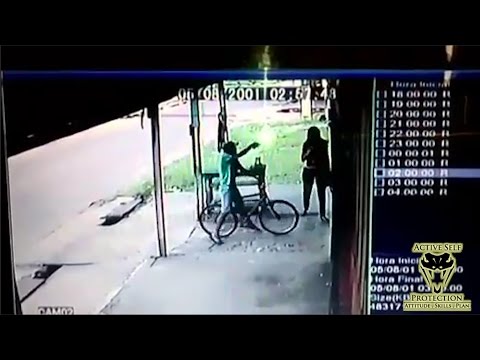
This segment from Gun Talk Radio features Tiger McKee discussing a law enforcement incident where an officer fired 12 rounds to stop an attacker. McKee emphasizes that handguns are underpowered for stopping threats and highlights the importance of understanding effective target areas, such as the pelvis, for immediate incapacitation. He also stresses the need for proactive training, including dry fire, movement drills, and malfunction clearing, to improve response under stress.

Quick Summary

Handguns are underpowered for reliably stopping threats, acting primarily as force projection systems. For immediate incapacitation, shots to the pelvis are highly effective, causing most individuals to go to the ground. Tactical movement, such as moving at a 45-degree angle, can disrupt an attacker's reaction time.

Chapters

  1. 00:05Introduction to Gun Talk Radio Segment
  2. 00:16Introducing Tiger McKee from Shoot Right Academy
  3. 00:27Discussion of Montgomery County Sheriff Incident
  4. 00:51Description of the Attacker and Incident Details
  5. 01:40Analysis of the 12 Shots Fired
  6. 01:46Takeaways: Why Let Attacker Get So Close?
  7. 02:02The Unknown Number of Shots Needed
  8. 02:24Training Focus: Sight Picture vs. Target Focus
  9. 03:04Officer's Actions and Takeaways for Civilians
  10. 03:17Tiger McKee's Thoughts on the Incident
  11. 03:20Importance of Movement in Self-Defense
  12. 03:29Armed Citizen's Draw Timing
  13. 03:58Misconceptions About Handgun Stopping Power
  14. 04:15Effective Target Areas: The Pelvis
  15. 04:52Close Quarters Engagement: Head vs. Chest
  16. 05:34Tactical Movement: 45-Degree Angles
  17. 05:57Disrupting the OODA Loop
  18. 06:27The Role of Training and Repetition
  19. 06:40Dry Fire Practice: Beyond the Home
  20. 06:57Practicing Communication During Draw
  21. 07:19Cover and Movement to Cover
  22. 07:37Chunking Skills: Movement, Shooting, Cover, Communication
  23. 08:05Pistol Malfunctions and Manipulations
  24. 08:23Reloads vs. Malfunction Drills
  25. 08:48Practicing Movement in Daily Life
  26. 09:23Shoot Right Academy Availability
  27. 09:30Shift to Private Tutorials
  28. 09:57Contact Information for Shoot Right

Frequently Asked Questions

What is the primary takeaway regarding handgun effectiveness in self-defense?

Handguns are generally considered underpowered for reliably stopping threats. They function as force projection systems, allowing you to engage threats from a distance, but effective shot placement and understanding target areas are crucial due to their limitations.

What are the most effective target areas for immediate incapacitation with a handgun?

Shots to the pelvis are highly effective, causing most individuals to go to the ground. The ocular cavity (between the eyes and nose) can also provide immediate incapacitation but requires surgical accuracy under stress.

How can tactical movement improve self-defense effectiveness?

Moving at a 90 or 45-degree angle to an attacker can disrupt their ability to react and reorient, effectively breaking their OODA loop. This tactical movement can also create better shooting opportunities.

Why is practicing malfunction drills important for armed citizens?

Malfunction drills are critical because the likelihood of encountering a firearm malfunction is often greater than needing to perform a reload. Regular practice ensures you can clear these issues quickly and effectively under stress.

Related News

All News →

More Self Defense Videos You Might Like

More from Gun Talk Media

View all →