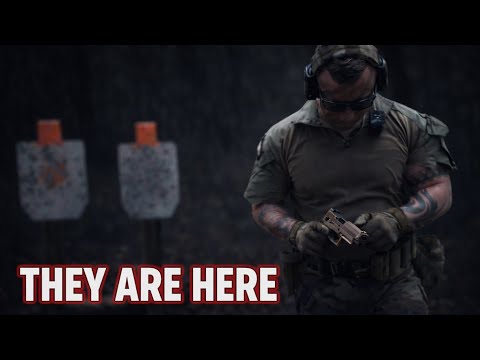
“Timers and Switches” - Professional Door Kicker and Medic Explain

Published on June 22, 2024
Duration: 27:25

This video, featuring a former Infantryman and a paramedic, discusses the critical 'timers and switches' of the human body in a self-defense context. The 'timers' (heart and lungs) and 'switches' (brain and spine) are explained, emphasizing that hits to the switch area are often immediately incapacitating. The recommended engagement strategy is two shots to the chest followed by one to the head, a method discussed in relation to various firearms including shotguns, PCCs, and rifles, highlighting its effectiveness as a life insurance policy against threats.

Quick Summary

In self-defense, 'timers' are the heart and lungs, while 'switches' are the brain and spine. The recommended engagement strategy is 'two to the chest, one to the head' to ensure rapid threat neutralization. Birdshot is ineffective for defense, and handgun rounds often have high survivability unless hitting critical 'switch' areas.

Chapters

  1. 00:09Introduction & Expert Backgrounds
  2. 00:51Defining Timers and Switches
  3. 01:54Timers: Heart and Lungs Explained
  4. 02:13Switches: Brain and Spine Explained
  5. 02:48Survivability Rates: Timers vs. Switches
  6. 03:01Shotgun Ammunition: Buckshot vs. Birdshot
  7. 04:08Handgun Rounds & Survivability
  8. 05:14Hollow Point Effectiveness
  9. 05:31Timers and Switches as Life Insurance
  10. 05:50Safety Round to the Brain
  11. 06:21Real-World Shooting vs. Movies
  12. 06:42Importance of Well-Aimed Shots
  13. 07:05Lung Hits vs. Heart Hits
  14. 07:32Handguns for Home Defense
  15. 07:52Rifle/Shotgun for Home Defense
  16. 08:29Shooting to Stop the Threat
  17. 08:46The 'Two to the Chest, One to the Head' Strategy
  18. 09:26Factors Affecting Engagement (Body Armor)
  19. 09:40Live Fire: M9 Handgun Demonstration
  20. 10:34Target Analysis: M9 Shots
  21. 11:16Live Fire: Shotgun Demonstration
  22. 11:53Target Analysis: Shotgun Hits
  23. 13:16Buckshot vs. Birdshot Pellets
  24. 14:18Live Fire: Mark 18 (5.56) Demonstration
  25. 15:15Target Analysis: Mark 18 Hits
  26. 17:19PCC Demonstration Preview
  27. 17:36Final Thoughts on Timers & Switches
  28. 18:36Live Fire: Handgun Demonstration (Quick)
  29. 19:37Live Fire: KP9 PCC Demonstration
  30. 21:18Target Analysis: KP9 PCC Hits
  31. 22:15KP9 Performance & Recoil
  32. 23:32Simulating Home Defense Distance
  33. 24:28Overall Thoughts & Takeaways
  34. 25:04Key Message: Train and Practice
  35. 25:41Understanding Anatomy for Defense
  36. 26:13Support the Channel & Sign Off

Frequently Asked Questions

What are 'timers' and 'switches' in the context of self-defense shooting?

'Timers' refer to the heart and lungs, which can incapacitate but may not immediately stop a threat. 'Switches' refer to the brain and spinal cord, which act as on/off controls for the body; hits here are typically immediately incapacitating and are the primary target for rapid threat neutralization.

What is the recommended shooting strategy for self-defense according to the experts?

The recommended strategy is 'two to the chest, one to the head.' This involves delivering two rapid, well-aimed shots to the chest area (timers) followed by a deliberate shot to the head (switch) to ensure the threat is neutralized effectively and quickly.

Why is birdshot not recommended for home defense?

Birdshot is generally ineffective for home defense because its small pellets lack the necessary energy and penetration to reliably hit vital organs and stop a determined threat. It often results in superficial wounds that cause pain but do not incapacitate.

How effective are handgun rounds in stopping a threat compared to rifles or shotguns?

Handgun rounds, unless they hit the 'switch' (brain/spine) or critical junctional areas, often have high survivability rates. Many individuals can continue to engage after being hit by handgun rounds, making rifles and shotguns generally more effective for immediate threat cessation.

What is the most important takeaway for viewers regarding self-defense firearms training?

The most crucial takeaway is the importance of consistent training and practice. Understanding human anatomy ('timers' and 'switches'), practicing controlled pairs followed by a headshot, and knowing your equipment's capabilities are vital for effective self-defense.

Related News

All News →

More Self Defense Videos You Might Like

More from Trench Grenade

View all →