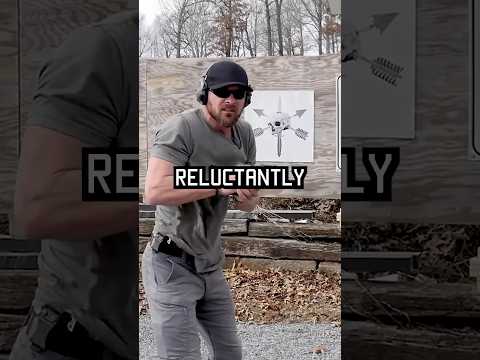
A Good Reminder To Always Stay In The Fight

Published on January 26, 2020
Duration: 6:22

This analysis from Active Self Protection breaks down a self-defense incident, highlighting critical tactical concepts like the reactionary gap and pre-attack indicators. It emphasizes the importance of continuing to fight even after injury and the necessity of immediate medical follow-up. The video features insights from John Correia, a recognized expert in defensive training.

Quick Summary

In self-defense, the 'reactionary gap' is the distance an attacker must close to reach you. Maintaining this distance is vital for reaction time. 'Target glancing,' where an attacker looks away before striking, is a key pre-attack indicator. Emotional fitness allows you to continue fighting even after injury, and immediate medical attention is paramount post-incident.

Chapters

  1. 00:00Introduction: Stay in the Fight
  2. 00:15Sponsor: Mantis X10 Performance System
  3. 00:26Incident Narration: Stab Attack and Counter
  4. 01:52Tactical Lesson: Reactionary Gap
  5. 02:16Pre-Attack Indicators: Target Glancing
  6. 03:45Staying in the Fight: Empty Hands & Mindset
  7. 04:58Ending the Threat vs. Punishment
  8. 05:32Medical Urgency: First Aid for Wounds

Frequently Asked Questions

What is the 'reactionary gap' in self-defense?

The reactionary gap is the distance an attacker needs to close to physically reach you. Maintaining this distance is crucial for your safety, as it gives you more time to react and defend yourself against an assault.

What are 'target glancing' indicators in a potential attack?

Target glancing involves an attacker looking away from their intended victim just before striking. This behavior can signal they are checking for witnesses, assessing the environment, or planning their move, serving as a critical pre-attack warning sign.

Why is 'emotional fitness' important in self-defense?

Emotional fitness means maintaining mental control and the will to fight even when injured or under extreme duress. It's crucial because a physical injury like a stab wound doesn't automatically end a confrontation; you must be able to continue defending yourself.

What is the recommended immediate action after a stab wound?

After neutralizing the threat, immediate first aid for stab wounds is critical. This includes applying pressure, using hemostatic agents if available, and securing chest seals if necessary, followed by rapid transport to a hospital for professional medical care.

Related News

All News →

More Tactical & Gear Videos You Might Like

More from Active Self Protection

View all →