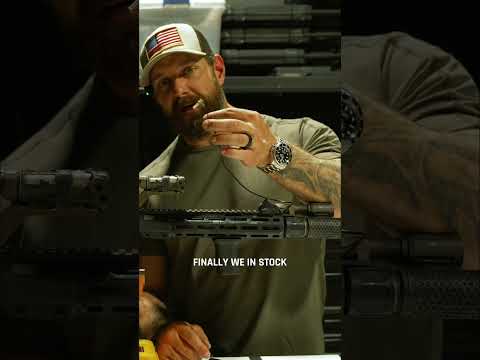
Adding Wrap to Your Carbine

Published on February 2, 2025
Duration: 0:28

This guide details the process of applying Camo Form wrap to a carbine, as demonstrated by a GBRS Group member. The focus is on enhancing grip, providing camouflage, and protecting the firearm while crucially maintaining operational functionality. Key advice includes careful application around controls and avoiding excessive tension to preserve dexterity.

Quick Summary

Applying Camo Form wrap to a carbine enhances grip, provides camouflage, and protects the firearm. Experts advise careful application around controls like weapon-mounted light switches, warning against over-tightening which reduces dexterity and tactile feedback.

Chapters

  1. 00:00Carbine Setup in Vise
  2. 00:02Applying Camo Form Wrap
  3. 00:12Wrap Application Around Accessories

Frequently Asked Questions

What is the primary purpose of applying Camo Form wrap to a carbine?

Camo Form wrap serves multiple purposes including providing camouflage, enhancing grip, and protecting the firearm's finish. It's applied to improve the overall ergonomics and functionality of the weapon.

What is a common mistake to avoid when applying firearm wrap?

A critical mistake is over-tightening the wrap or using too many layers. This can severely reduce dexterity and tactile feel, making it difficult to operate essential controls like override buttons or switches.

How does wrap application affect weapon functionality?

Properly applied wrap can enhance functionality by improving grip and protecting components. However, improper application, especially around controls, can hinder access and operation, reducing overall effectiveness.

What tools are needed to apply Camo Form wrap to a carbine?

Essential tools include a workbench vise to secure the carbine and the Camo Form wrap itself. Careful hand application is key, with attention paid to positioning around accessories.

Related News

All News →

More Tactical & Gear Videos You Might Like

More from GBRS Group

View all →