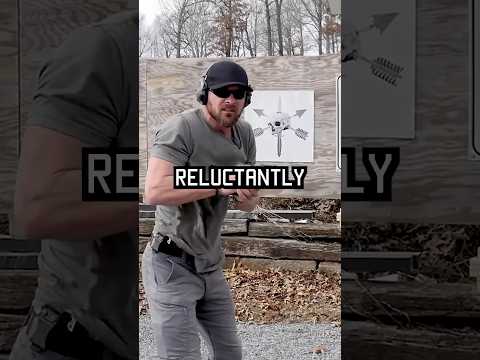
Armed Patron Ruins Armed Robbers Day | Active Self Protection

Published on April 23, 2017
Duration: 3:24

This guide details critical techniques for armed self-defense in close-quarters encounters, drawing from an incident analyzed by John Correia. It emphasizes maintaining firearm control, executing a concealed draw for a counter-ambush, and the importance of continued engagement until the threat is stopped. The analysis highlights the necessity of robust retention training to prevent weapon disarms.

Quick Summary

In close-quarters self-defense, maintaining firearm retention with a 'compressed ready' position is crucial. A concealed draw, executed without immediate upward movement, can enable a counter-ambush. Continuous engagement is necessary until the threat is neutralized, even if the attacker is facing away, provided a deadly threat persists.

Chapters

  1. 00:00Introduction and Key Lessons
  2. 00:25Incident Breakdown
  3. 00:50Firearm Retention and Close Quarters Shooting
  4. 01:33Concealed Draw and Counter-Ambush
  5. 02:12Threat Neutralization

Frequently Asked Questions

What is a 'compressed ready' position in firearm defense?

A 'compressed ready' position involves holding your firearm close to your body, typically at chest or sternum level. This technique is vital in close-quarters combat to maintain control and prevent an attacker from grabbing or disarming you.

How can a concealed draw be used for a counter-ambush?

A concealed draw can facilitate a counter-ambush by being executed subtly, without immediate upward movement. This allows the defender to draw and present their firearm while the attacker is unaware, creating a surprise element.

When is it legally permissible to shoot an attacker in the back?

Shooting an attacker in the back is generally permissible if they still pose an immediate deadly threat to you or others, even if they are fleeing or turning away. The key is the continued existence of the deadly threat.

What are common mistakes in close-quarters firearm defense?

Common mistakes include failing to practice firearm retention, leading to potential weapon disarms, and overextending the arms during a draw, which compromises control. Additionally, stopping engagement before the threat is neutralized is a critical error.

Related News

All News →

More Tactical & Gear Videos You Might Like

More from Active Self Protection

View all →