Ballistic Shield Only Covers Upper Part Of Your Body

Published on September 8, 2024
Duration: 0:50

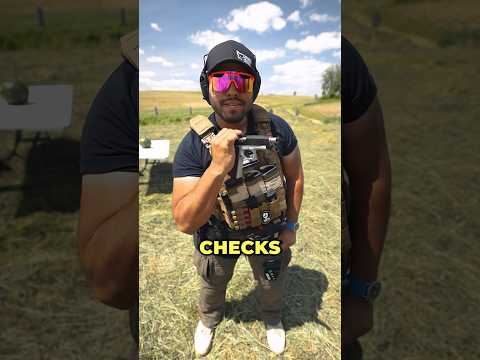
This video explains why ballistic shields typically cover only the upper body, focusing on mobility and protection of vital organs. Johnny Q demonstrates a compact, foldable shield from RTS Tactical, highlighting its portability for law enforcement and civilian use. The design prioritizes essential protection over full-body coverage for easier maneuverability.

Quick Summary

Ballistic shields often cover only the upper body to balance protection of vital organs with user mobility. Compact, foldable designs like the RTS Tactical shield are favored for their portability, fitting easily into vehicles and allowing for easier movement compared to larger, full-body shields.

Chapters

  1. 00:00Intro: Why Shields Cover Upper Body
  2. 00:12Law Enforcement Shield Standards
  3. 00:25Compact Shield Advantages: RTS Tactical

Frequently Asked Questions

Why do most ballistic shields only cover the upper body?

Ballistic shields primarily cover the upper body to protect vital organs while maintaining mobility. Full-body shields are often too cumbersome for typical patrol situations, with compact designs fitting better in vehicles and allowing for easier movement.

What are the benefits of a compact ballistic shield?

Compact shields, like the foldable RTS Tactical model, offer significant advantages in portability. They are lightweight, easily stored in vehicles or homes, and provide essential protection for vital organs without hindering the user's ability to move effectively.

Who typically uses large ballistic shields in law enforcement?

In traditional law enforcement settings, large ballistic shields offering full-body coverage are not standard issue for patrol officers. Historically, only specialized units or higher-ranking officers like sergeants might have access to these larger shields.

Related News

All News →

More Tactical & Gear Videos You Might Like

More from Johnny Q

View all →