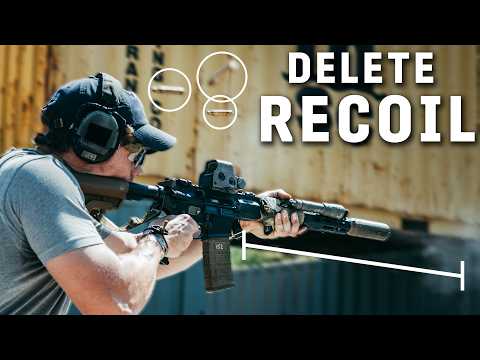
Beginner Series - What You Should Know about Suppressors

Published on June 28, 2026
Duration: 14:50

This video provides a beginner-friendly overview of suppressors, covering essential knowledge for potential buyers. It details how bullet diameter dictates suppressor choice, categorizes suppressors into rifle, pistol, and rimfire, and emphasizes the importance of muzzle device compatibility within a suppressor's 'ecosystem.' The guide also discusses the practical realities of suppressor noise reduction, the benefits of flow-through technology for semi-automatic firearms, heat management considerations, and the distinct characteristics and maintenance needs of rimfire suppressors.

Quick Summary

When choosing a firearm suppressor, bullet diameter is paramount; a suppressor must match the caliber. For semi-automatic rifles, 'flow-through' technology is highly recommended to minimize gas blowback. While suppressors reduce noise, hearing protection is still advised for centerfire rifles, as they don't achieve movie-level silence. Rimfire suppressors require frequent cleaning due to dirty ammunition.

Chapters

  1. 00:00Introduction to Suppressors
  2. 00:19Bullet Diameter & Suppressor Choice
  3. 00:56Suppressor Categories: Rifle, Pistol, Rimfire
  4. 01:09Rifle Suppressors & Muzzle Devices
  5. 02:50Suppressor Noise Reality vs. Movies
  6. 03:40Suppressor Ecosystems & Compatibility
  7. 04:55Flow-Through vs. Older Suppressor Tech
  8. 05:49Suppressors Make Guns Hotter
  9. 06:50Recoil Reduction & Handling Downsides
  10. 07:19Pistol Suppressors: 9mm & .45 ACP
  11. 09:13Rimfire Suppressors (.22LR)
  12. 11:25Suppressor Cleaning & Maintenance
  13. 12:35Mounting Systems & Direct Thread
  14. 13:45Choosing the Right Suppressor for Your Use
  15. 14:27Cost of Suppressors & Tax Stamp
  16. 15:23Final Thoughts & Recommendations

Frequently Asked Questions

What is the most important factor when choosing a firearm suppressor?

The most critical factor is bullet diameter. A suppressor must be rated for the specific caliber of the firearm you intend to use it on. A suppressor designed for a .22LR rimfire is not suitable for a 5.56mm centerfire rifle, and vice-versa, due to differences in bullet size and pressure.

Do rifle suppressors make firearms as quiet as seen in movies?

No, centerfire rifle suppressors, such as those for 5.56mm, do not achieve movie-level silence. While they significantly reduce noise, hearing protection is still recommended, especially for indoor shooting, as the sound can still be uncomfortably loud and potentially harmful.

What is 'flow-through' technology in suppressors and why is it important?

Flow-through suppressor technology is designed to minimize the amount of gas that is redirected back towards the shooter's face. This is particularly beneficial for semi-automatic firearms like AR-15s, as it reduces unburnt powder and gas expulsion, leading to a cleaner and more comfortable shooting experience.

How do suppressors affect firearm heat and what should I do about it?

Suppressors cause firearms to heat up much faster due to how they manage gas. After firing a few magazines, it's advisable to let the firearm cool down, often by locking the bolt open. This prevents potential damage to the firearm from excessive heat.

Are rimfire suppressors difficult to maintain?

Rimfire suppressors, especially for calibers like .22LR, require regular cleaning because rimfire ammunition is inherently dirty. It's recommended to choose a suppressor that can be easily disassembled for cleaning to ensure its baffles remain clear and functional, typically every 500-1000 rounds.

Related News

All News →

More Tactical & Gear Videos You Might Like

More from Joel Park

View all →