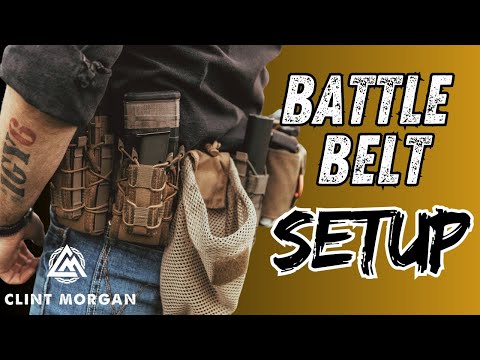
Best Battle Belts And How To Set Them Up From A Former Navy SEAL

Published on December 5, 2024
Duration: 21:51

This guide, informed by a former Navy SEAL, details how to properly set up a battle belt for tactical applications. Key considerations include selecting a rigid belt from brands like GBRS Group, Ferro Concepts, or Ronin Tactics, and ensuring modularity with systems like Safariland's QLS. Proper placement of essential gear such as holsters, magazine pouches, medical kits, and tourniquets is emphasized for optimal performance and casualty care.

Quick Summary

Former Navy SEAL Mike O'Dowd recommends battle belts from GBRS Group, Ferro Concepts, and Ronin Tactics, emphasizing rigidity for gear stability. Proper setup includes matching accessory widths, strategic placement of holsters, mag pouches, and medical kits, and utilizing modular systems for adaptability.

Chapters

  1. 00:00Introduction to Battle Belts
  2. 00:40Top Belt Recommendations
  3. 01:14Ferro Concepts Belt Features
  4. 03:22Ronin Tactics Belt Setup
  5. 04:29Dump Pouches and Medical Kits
  6. 06:58Holster Systems and Modularity
  7. 07:50The Importance of Multiple Tourniquets
  8. 09:56Belt Width and Compatibility
  9. 11:16Mike's Personal GBRS Setup

Frequently Asked Questions

What are the best battle belt brands recommended by a former Navy SEAL?

A former Navy SEAL recommends GBRS Group, Ferro Concepts, and Ronin Tactics for battle belts. The primary quality to look for across all brands is rigidity, ensuring gear stays securely in place under demanding conditions.

How should a battle belt be set up for optimal gear retention and accessibility?

Optimal setup involves choosing a rigid belt, matching accessory widths, and strategically placing items like holsters, mag pouches, dump pouches, and medical kits. Modular systems like QLS enhance adaptability for quick gear swaps.

Where is the best place to position a medical kit (IFAK) on a battle belt?

While often placed on the rear, SEAL teams have moved IFAKs behind plates to prevent 'anchoring' when dragging casualties. This placement can be crucial for effective casualty evacuation in certain scenarios.

What is the importance of belt width and accessory compatibility?

Battle belts typically come in 1.75" or 2" widths. It's crucial to match accessory attachments, like magazine pouches, to the belt width to ensure a secure fit and prevent gear from shifting or falling off.

More Tactical & Gear Videos You Might Like

More from USCCA

View all →