Building a Trauma Kit with SkinnyMedic

Published on December 10, 2018
Duration: 21:52

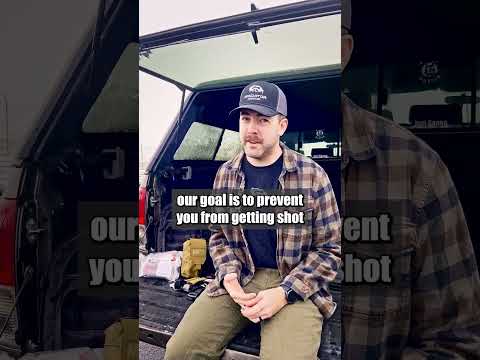
This video provides a comprehensive guide to building a personal trauma kit, emphasizing preparedness for various emergencies. Key components discussed include essential personal protective equipment, effective tourniquets like the CAT and SOFT-T, various types of gauze for wound packing, hemostatic agents, pressure bandages, chest seals, and airway management tools. The importance of organization, accessibility, and understanding the limitations of medical supplies in critical situations is highlighted throughout.

Quick Summary

A well-stocked trauma kit is vital for emergencies, containing PPE like gloves and safety glasses, effective tourniquets (CAT, SOFT-T), various gauzes, hemostatic agents, pressure bandages, chest seals, and an NPA. Organization is key for rapid access to life-saving supplies.

Chapters

  1. 00:00Introduction to Trauma Kits
  2. 01:43Pouches and Organization
  3. 05:44Personal Protection and Safety
  4. 07:43Tourniquets and Gauze
  5. 08:57Hemostatic Agents
  6. 11:15Pressure Bandages and Airway
  7. 13:14Chest Seals and Tape
  8. 14:37Hypothermia and Shears
  9. 15:33Additional Supplies and Anecdotes

Frequently Asked Questions

What are the essential components of a personal trauma kit?

A comprehensive trauma kit should include Personal Protective Equipment (PPE) like gloves and safety glasses, effective tourniquets (e.g., CAT, SOFT-T), various types of gauze for wound packing, hemostatic agents, pressure bandages, chest seals, and an airway management device like an NPA.

Why is organization important for a trauma kit?

Proper organization and labeling of your trauma kit are critical. In a high-stress emergency, you need to access life-saving supplies like a tourniquet or chest seal immediately without fumbling, which can be the difference between life and death.

What are recommended tourniquet options for a trauma kit?

Recommended tourniquets include high-end models like the CAT and SOFT-T, which are CoTCCC recommended and cost around $30. Budget-friendly options like the SWAT-T, RATS, or improvised triangular bandages are also discussed.

What PPE should be included in a trauma kit?

Essential PPE for a trauma kit includes nitrile gloves (blue is preferred to see blood better), safety glasses for splash protection, and N95 masks to prevent blood-to-mouth contact during medical interventions.

More Tactical & Gear Videos You Might Like

More from Iraqveteran8888

View all →