Combat Handguns from a Navy SEAL’s Perspective

Published on June 28, 2022
Duration: 31:44

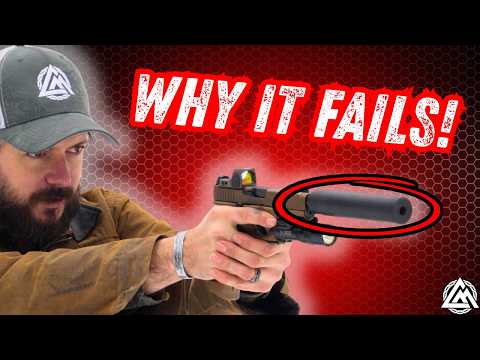
This video features retired US Navy SEAL Monty LeClaire discussing his experiences with various combat handguns. He provides insights into the reliability, performance, and operational use of firearms like the Sig P226, HK Mark 23, Glock 19, and 1911 platform within SEAL teams. The discussion covers historical context, environmental challenges, and personal preferences for duty and carry weapons.

Quick Summary

Retired Navy SEAL Monty LeClaire discusses combat handguns, favoring the Glock 19 for its consistent trigger, lighter weight, and reliability. He notes the Sig P226's reliability issues due to early ammo problems and the HK Mark 23's impractical size despite its durability.

Chapters

  1. 00:08Introduction with Monty LeClaire
  2. 00:26Experience with the 1911 Platform
  3. 02:21M9 Pistol vs. Sig P226 Debate
  4. 03:31Sig P226 Mark 25 and Reliability
  5. 04:53Ammunition Issues and Frame Cracking
  6. 06:25The HK Mark 23 (Offensive Handgun Weapon System)
  7. 07:31SEALs' Reception of the Mark 23
  8. 08:34Other HK Handguns and Later Options
  9. 09:48Transition to Glock for SEAL Teams
  10. 10:00Caliber and Ammunition Restrictions
  11. 11:07Pistol Training: Mozambique Drill
  12. 11:36Glock vs. Sig Sauer: Benefits and Drawbacks
  13. 13:38Preference for Glock's Consistent Trigger
  14. 14:26Thoughts on the New M17 and M18 Pistols
  15. 15:35Modularity of the P320 Platform
  16. 16:23Critique of M17/M18 Procurement Process
  17. 18:43Appreciation for P320s After Testing
  18. 18:57Endorsement of the Beretta M9
  19. 19:32Special Operations Platforms and Glock Adoption
  20. 20:38Beretta M9A3 as a Solution
  21. 21:26Acceptance of Striker-Fired Pistols
  22. 23:01Glock Reliability with Difficult Primers
  23. 24:29Corrosion and Maintenance in Marine Environments
  24. 25:00Smith & Wesson 686 Revolvers in Water Operations
  25. 26:42Small Arms Maintenance Schedules
  26. 28:01Carrying Spare Parts in the Field
  27. 29:14Overall Pick: Glock 19
  28. 29:58Fun Shooting Pick: HK Mark 23
  29. 31:13Mark 23 Engineering and Development
  30. 31:16Conclusion and Thanks

Frequently Asked Questions

What were the main issues with the early M9 pistols used by SEALs?

Early M9 pistols experienced ammunition-related issues, specifically with M882 ball ammunition loaded to NATO standards. This caused excessive pressure, leading to frame and slide cracking, which prompted a transition to the Sig P226.

Why was the HK Mark 23 (Kruger pistol) not widely adopted by SEALs?

Despite being designed for suppressed use and extreme durability, the HK Mark 23's significant size was a primary reason for its limited adoption. Its bulkiness made it impractical for many operational roles, though its corrosion resistance was notable.

What makes the Glock 19 a preferred choice for personal carry according to the speaker?

The Glock 19 is favored for its consistent trigger pull, lighter weight, and lower bore axis for better recoil management. The integrated rail system and overall reliability also contribute to its selection for personal carry.

How did SEALs manage firearm corrosion in saltwater environments?

After operations involving saltwater, SEALs followed a strict procedure: a freshwater rinse of all gear and firearms, followed by blow-drying and a light coat of lubricant (like CLP) to prevent corrosion and maintain functionality.

What is the main advantage of striker-fired pistols over hammer-fired pistols like the Sig P226?

Striker-fired pistols offer a consistent trigger pull for every shot, unlike the double-single action system of many hammer-fired guns. This consistency simplifies training and reduces the variability in shot placement that can occur with a DA/SA trigger.

More Tactical & Gear Videos You Might Like

More from SmallArmsSolutions

View all →